Summer Style & Comfort Calculator
Outfit Configuration
Comfort & Style Analysis
Configure your outfit above to see how well it handles summer heat waves.
Picture this: It's late June in Toronto. The morning starts crisp at 15 degrees Celsius, but by noon, you're sweating through your shirt as the temperature climbs past 30. You step into an office with aggressive air conditioning, then rush out again to catch a streetcar in that humidity. If your wardrobe isn't planned for this specific kind of chaos, you'll spend your day uncomfortable rather than stylish.
Fashion in the summer isn't just about showing skin or wearing white linen everywhere. It's about thermoregulation, adaptability, and confidence. When you understand how fabric, fit, and environment interact, you stop worrying about melting and start enjoying the season. Here is exactly how to stay cool, look sharp, and handle the wild swings between summer heat and indoor chill without sacrificing style.
Master the Fabric Hierarchy
The single most important factor in summer comfort is what the material actually is against your skin. Many brands market "cool" synthetics that trap body heat like plastic wrap. To dress well in the heat, you need to know which fibers let you breathe and which ones hold onto sweat.
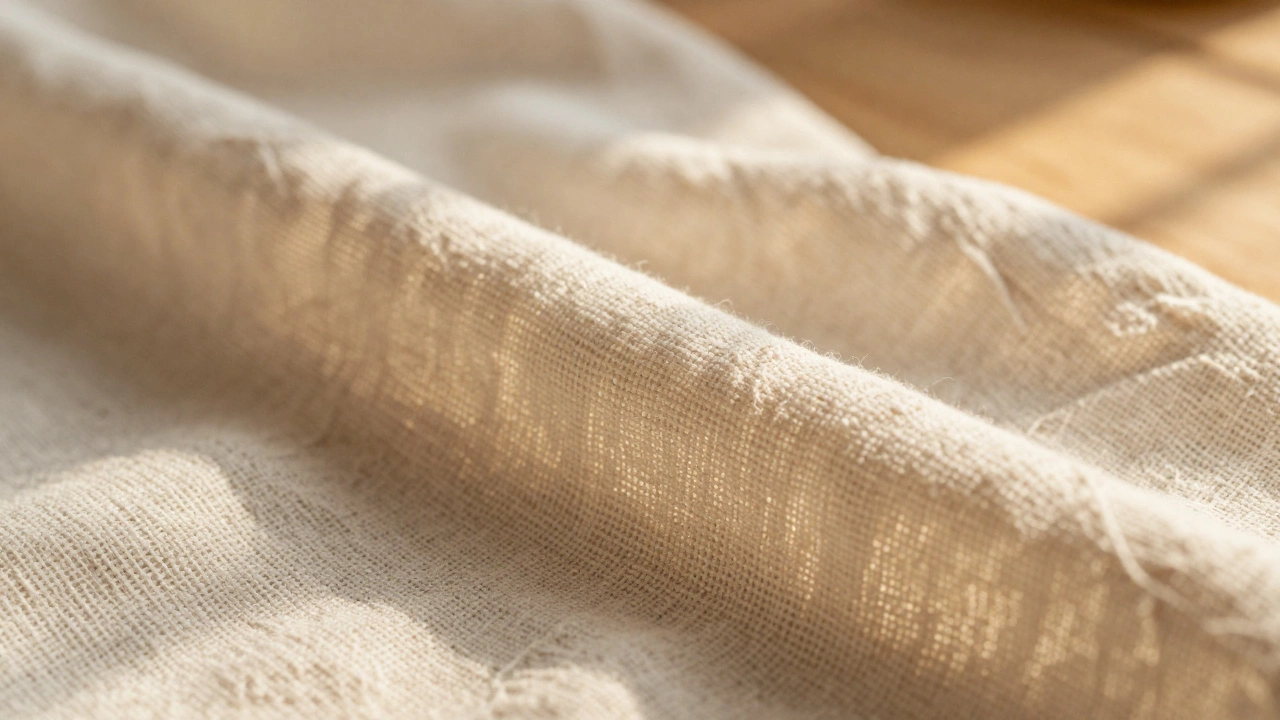
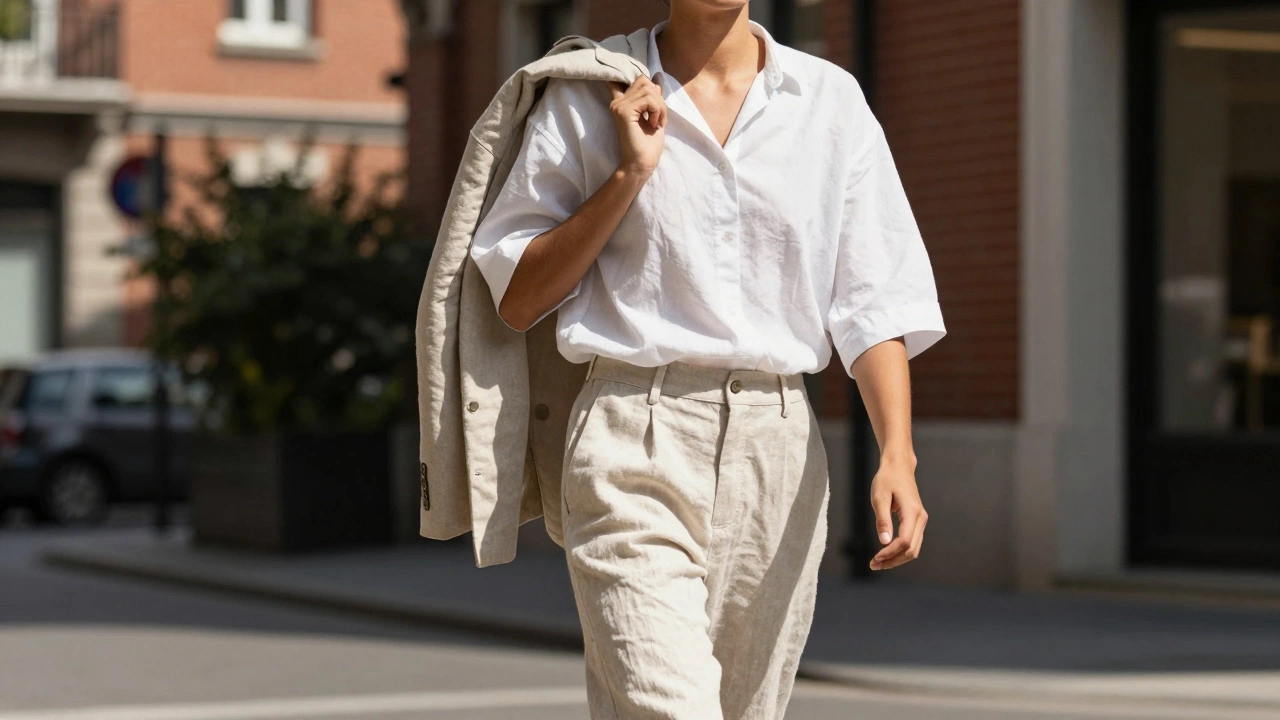
Linen is often considered the gold standard for summer wear because its hollow fibers wick moisture away rapidly. While it wrinkles easily, that texture is part of its charm and indicates authenticity. For everyday durability, look forLinen-Cotton Blends, which offer the breathability of linen with less maintenance.
- Cotton: Specifically lightweight weaves like chambray or voile. Avoid heavy denim or thick canvas in July.
- Ramie: Similar to linen but stiffer; excellent for structured shirts and trousers.
- Tencel/Lyocell: A sustainable option made from wood pulp that feels silky and regulates temperature beautifully.
- Silk: Good for evenings, but can be too delicate for humid days unless blended.
Avoid polyester blends whenever possible for daytime wear. Synthetic fibers generally lack pores, meaning sweat sits on top of them rather than passing through. If you must buy synthetic items due to cost, ensure they are specifically marketed as "moisture-wicking athletic wear," though these rarely pass as professional attire.
Use Silhouette to Create Airflow
Even the best fabric fails if the clothes fit too tightly. In high-humidity environments, you want a layer of still air between your skin and the garment. This acts as insulation against external heat while allowing internal heat to escape.
Try the "Boxy Fit" rule. Instead of tight-fitting tees, choose tops with slightly dropped shoulders or straighter lines that drape off the body. For pants, wide-leg trousers allow convection currents to circulate up your leg. Narrow-leg jeans might feel safer, but they stick to your calves when the humidity spikes. If you prefer skinny cuts, switch to cropped versions that expose your ankles to help release trapped heat.
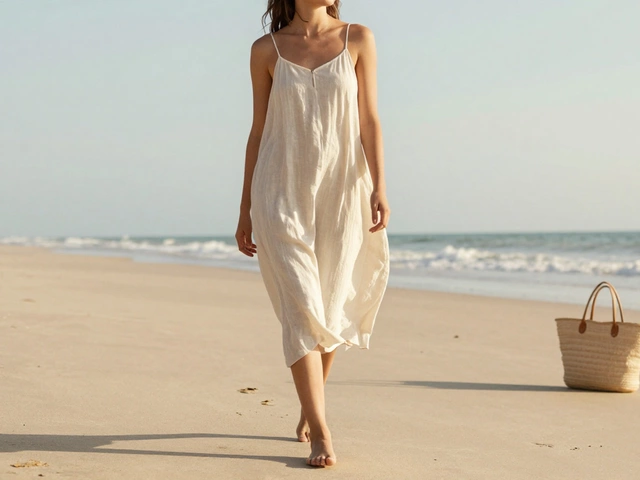
Skirts and dresses follow the same logic. A straight-cut midi skirt moves better than a pencil skirt in the sweltering afternoon. Look for hemlines that sit above the knee for maximum airflow during active days, or opt for floor-length maxi dresses made in sheer fabrics where you can see a sandal through the layers.
Color Strategy for Heat Management
We've heard the advice to wear light colors to reflect sunlight. While true for standing in direct sun, color perception works differently in city environments where shade is available. Light neutrals like cream, beige, and soft pastels read as sophisticated and clean. They also hide dust and dirt better than stark black, which can show lint and static more easily in dry heat.
If you love darker hues, choose rich earth tones like olive green, navy, or terracotta. These absorb less harsh glare than pure black. One trick that works incredibly well is the "Monochromatic Look." Wearing one color family from head to toe creates a long visual line, making you appear taller and leaner, which psychologically balances out any baggy summer fit. Pair a pale blue shirt with denim shorts or chinos of a similar blue tone to maintain the cooling aesthetic without feeling boring.
Layering for Variable Climates
This is the critical mistake many people make: dressing only for the forecast. In cities like Toronto, the delta between outdoors and indoors can be 20 degrees. You don't want to freeze in an elevator or overheat walking home.
Keep a "Third Piece" ready. This is a lightweight layer you can throw on immediately when entering a cold building. A unstructured blazer in linen works better than a heavy suit jacket because it has less padding and weight. Alternatively, carry a large, structured scarf. A linen or silk scarf adds warmth without bulk and looks intentional rather than desperate.
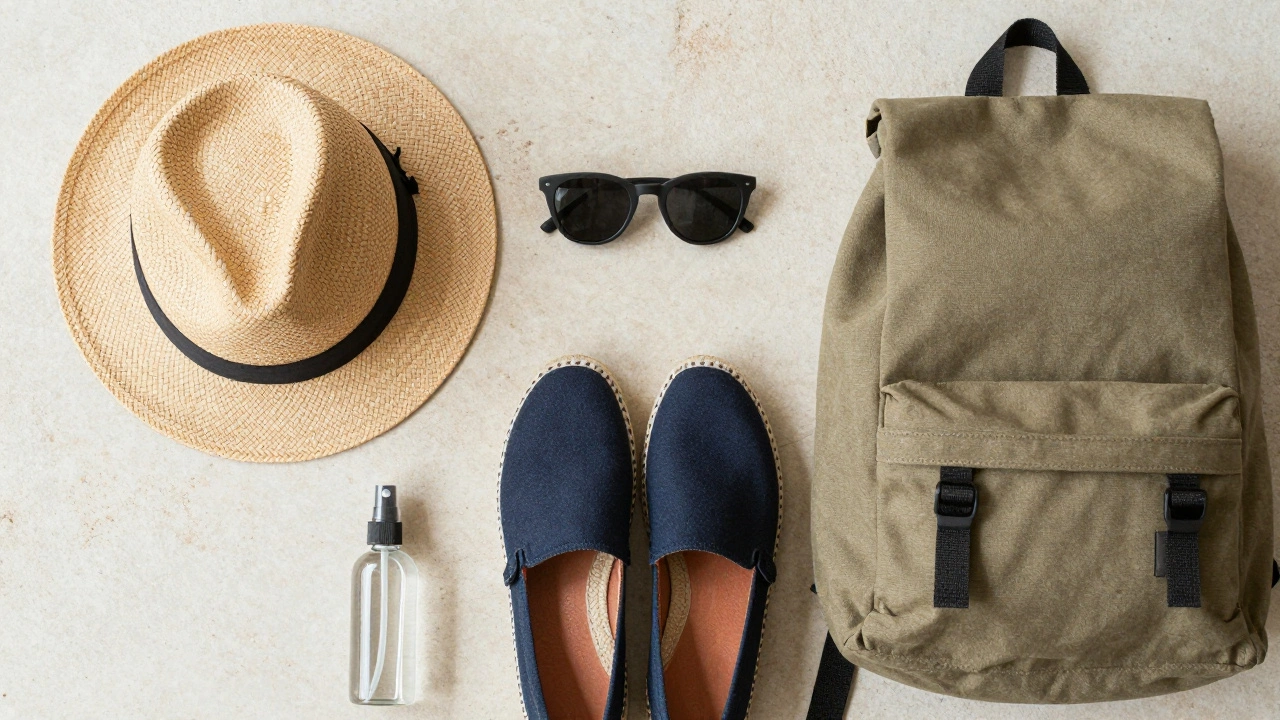
For footwear, slip-ons are essential. Constantly removing shoes at security checks or sitting down in restaurants breaks the flow of movement. Loafers, espadrilles, or minimalist slides are perfect. They protect feet while offering quick access to ventilation if you have socks that get sweaty.
Natural Fiber Comparison Guide
| Fabric Type | Breathability Rating | Wrinkle Resistance | Ideal Use Case |
|---|---|---|---|
| Linen | Very High | Low | Premium Outdoor Events |
| Cotton Voile | High | Medium | Daily Casual Wear |
| Ramie | High | Medium-High | Structured Shirts/Pants |
| Synthetic Nylon | Low | High | Athletics Only |
Functional Accessories for Summer
Style isn't just about clothing; it's about the gear you carry. A leather backpack gets uncomfortably hot against your back in the sun. Switch to canvas or mesh options that allow air circulation. Sunglasses are non-negotiable for eye health, but pick frames that don't slide down a sweaty face. Matte finishes work better than glossy plastic in humid conditions.
Hats serve a dual purpose: sun protection and outfit definition. A straw fedora provides shade without looking like you're going fishing. If you're going for a sportier vibe, a technical cap with ventilation holes on the sides helps dissipate heat near the temples. Just ensure the brim is wide enough to shield your nose from UV rays.
Managing Sweat and Hygiene
No amount of styling works if you feel sticky. Antiperspirant is different from deodorant; use antiperspirant on areas prone to sweating heavily. Apply it at night before bed, not just in the morning, to seal the ducts while you sleep. Carry blotting papers in your bag. These thin sheets absorb oil without messing up makeup or ruining a fresh shirt collar. They last for a month and cost very little, yet the payoff for staying presentable is massive.
If you plan to attend outdoor weddings or evening events, bring a small spray bottle with water. Spritzing your neck and wrists cools the blood vessels quickly, bringing your core temperature down faster than drinking water alone. It's a tiny adjustment that makes you feel ten degrees cooler instantly.
Troubleshooting Common Summer Wardrobe Issues
Transparent clothing can happen unexpectedly. White dresses or pale linens become see-through in bright midday sun. Always check undergarment visibility in natural light before leaving. Wear nude underwear under white garments, or layer a camisole underneath a thin dress.
Static electricity is another issue, often caused by dry heat combined with synthetic carpets. Carrying a wooden hanger or even touching a metal pole before touching your clothes can discharge built-up static so you don't shock yourself when shaking hands. Moisturizer helps reduce the friction that causes static in the first place.
Summary of Actionable Steps
To put this into practice tomorrow, follow this quick path: Go through your closet and remove anything made of pure polyester or acrylic. Swap it for cotton or linen items if you have budget. Buy two neutral-colored shirts in breathable fabric that pair with everything else you own. Keep a light scarf or linen jacket in your workspace. Finally, test your outfits in front of a mirror in direct daylight to check transparency and fit adjustments before you leave the house. These small habits build a summer wardrobe that works for you, ensuring you stay comfortable regardless of the weather.