Essential Winter Wardrobe Selector
Answer these questions to determine which of the three essential coats you should prioritize for your wardrobe.
Your Recommended Coat:
The Foundation
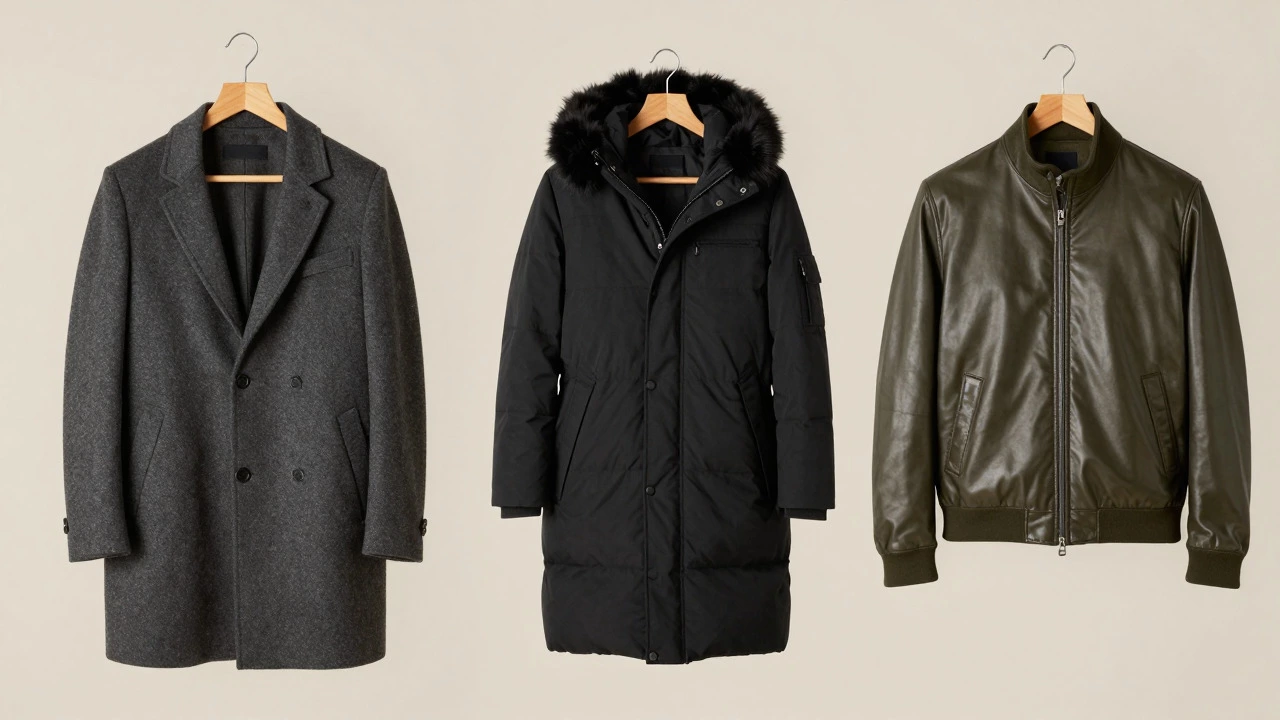
Wool Blend Overcoat
Best for office settings, mild winters, and layering. Breathes well to prevent sweating indoors.
- ✓ Professional look
- ✓ Temperature regulation
- ✗ Not for extreme cold
The Shield
Down Parka
Essential for survival in harsh conditions. Provides maximum warmth and wind protection.
- ✓ Extreme warmth
- ✓ Wind/Water resistant
- ✗ Bulky, less stylish
The Accent
Leather/Bomber Jacket
Perfect for casual weekends, transitional seasons, and adding personality to your outfit.
- ✓ High style factor
- ✓ Versatile fit
- ✗ Limited warmth
Standing on the corner of Yonge and Bloor in January, you realize your thin denim jacket isn't cutting it. You’re shivering, looking disheveled, and regretting every decision that led to this moment. This is the exact scenario that forces most men to ask the question: how many coats should I actually own?
The short answer is three. Not ten, not one, but three distinct outerwear pieces that cover 95% of your life’s weather conditions and social scenarios. Owning more than this usually leads to clutter; owning less leaves you exposed to the elements or underdressed for important occasions.
Your coat is the frame around the painting of your outfit. It sets the tone before anyone even sees what you’re wearing underneath. Getting this right means you look put-together without trying too hard. Let’s break down exactly which three coats you need, why they matter, and how to choose them so they last for years.
The Foundation: The Everyday Workhorse
You spend roughly 80% of your cold-weather days doing mundane tasks. Commuting to work, grabbing coffee, walking the dog, or running errands at the grocery store. For these moments, you don’t need high fashion; you need durability and comfort. This is where your primary everyday coat comes in.
I recommend a Wool Blend Overcoat or a heavyweight wool pea coat. Why wool? Because it breathes. Synthetic shells trap sweat when you walk into a warm office, leaving you clammy. Wool regulates temperature naturally. A mid-thigh length cut offers enough coverage to block wind while allowing freedom of movement.
- Color: Stick to charcoal grey, navy, or camel. These colors hide minor stains and match almost any shirt or sweater you own.
- Fit: It should be slightly roomy. If you can’t fit a thick sweater underneath without the buttons straining, it’s too tight.
- Material: Look for a blend with at least 70% wool. Pure wool is luxurious but expensive; blends offer better resilience against wear and tear.
This piece handles the "in-between" weather perfectly-those crisp autumn days and the mild winter afternoons. It’s versatile enough to wear with jeans on Saturday and chinos on Friday. If you live in a place like Toronto where winters are damp and slushy, consider a water-resistant finish, but prioritize the wool content for warmth.
The Shield: Extreme Weather Protection
There will come a day when the wind chill hits -20°C (or lower), snow is piling up, and your wool coat feels like a napkin. This is where your second essential piece earns its keep. You need a dedicated technical outer layer designed specifically for harsh conditions.
Enter the Down Parka or a heavy insulated parka. Unlike the stylish overcoat, this garment prioritizes function over form. It needs to be long enough to cover your hips and thighs, trapping heat close to your body. The key here is insulation quality.
| Insulation Type | Warmth-to-Weight Ratio | Durability | Best For |
|---|---|---|---|
| High-Fill Down (600+) | Excellent | Poor when wet | Dry, extreme cold |
| Synthetic (PrimaLoft/Thinsulate) | Good | Excellent | Wet, snowy conditions |
| Hybrid (Down + Synthetic) | Very Good | Good | Variable climates |
If you live in a dry climate, high-fill power down (600 to 800 fill) is unbeatable. It compresses small and provides immense warmth. However, if you deal with wet snow, rain, or slush, synthetic insulation is smarter. Down loses its loft when wet, meaning you get cold fast. Synthetic materials stay warm even when damp.
Look for features like a fur-lined hood (faux fur is fine and ethical), reinforced elbows, and multiple pockets. This coat is your armor. You’ll wear it for shoveling snow, waiting for buses in freezing winds, or just surviving a particularly brutal week. Don’t worry about it being "fashionable." Its job is to keep you alive and comfortable.
The Accent: Casual Style and Versatility
You have your formal/work option and your survival gear. What’s missing is something for casual weekends, date nights, or those cool spring evenings when a heavy coat is overkill but a t-shirt isn’t enough. This is your third and final coat: the Bomber Jacket or a leather motorcycle jacket.
This piece defines your personal style. While the first two coats are largely neutral and functional, this one shows personality. A leather jacket adds edge and ruggedness. It ages beautifully, developing creases and patina that tell a story. A bomber jacket, often made of nylon or suede, offers a cleaner, more modern aesthetic.
Why limit yourself to just one style here? Because this category covers the widest range of temperatures. A lightweight leather jacket works in late fall and early spring. A lined bomber can handle mild winter days. The key is versatility. You should be able to throw this on over a hoodie for a relaxed look or over a button-down shirt for a smart-casual vibe.
- Leather: Invest in genuine leather if possible. Faux leather peels and cracks within a few seasons. Real leather lasts decades.
- Bomber: Choose matte finishes over shiny ones. Shiny nylon looks cheap and dated quickly. Matte textures feel premium and contemporary.
- Fit: This coat should sit closer to the body than your overcoat. It’s meant to look sleek, not bulky.
This coat bridges the gap between seasons. When summer fades, this is the first thing you reach for. When winter thaws, it’s the last thing you retire. It’s the most fun piece in your rotation because it allows you to experiment with colors like olive green, burgundy, or black.
Why Three Is the Magic Number
You might wonder why not four? Or five? Adding a fourth coat usually results in redundancy. Maybe you buy a trench coat, but does it replace the wool overcoat? Probably not, because it lacks warmth. Maybe you buy a puffer vest, but that’s an accessory, not a standalone coat for extreme cold.
The rule of three ensures coverage across all bases: 1. Style/Formality: The Wool Overcoat 2. Function/Survival: The Down Parka 3. Casual/Versatility: The Leather/Bomber Jacket
Any additional purchases should only happen if your lifestyle demands it. Do you ski every weekend? Then add a ski jacket. Do you live in a tropical city where it rains constantly? Then add a high-quality rain shell. But for the average man navigating urban life, three coats eliminate decision fatigue. You know exactly what to grab based on the forecast.
Quality Over Quantity: Making Them Last
Buying three coats doesn’t mean buying cheap ones. In fact, it encourages investment. Instead of spending $300 on three mediocre coats, spend $400 on one excellent coat and save for the others. Outerwear takes a beating from wind, rain, and friction. Cheap materials pill, fade, and lose shape.
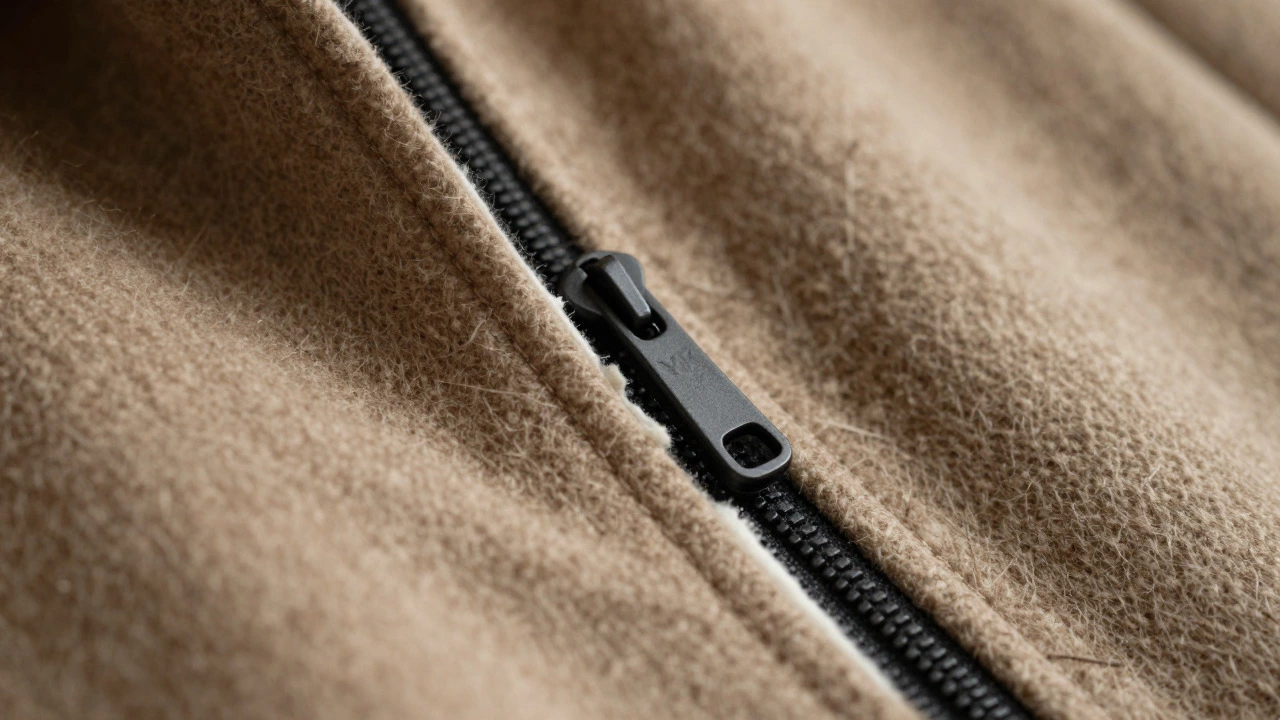
Check the stitching. Are the seams double-stitched? Look at the zippers. YKK zippers are the industry standard for reliability. Examine the lining. A breathable cotton or silk blend lining prevents overheating. These details separate a coat that lasts five years from one that lasts twenty.
Maintenance matters too. Wool coats need professional cleaning once or twice a year. Down parkas need occasional washing to maintain loft. Leather jackets require conditioning to prevent cracking. Treat your coats well, and they’ll protect you through countless winters.
Common Mistakes to Avoid
Many men make the mistake of buying coats that are too trendy. Think oversized shoulders, bizarre prints, or unusual cuts. Trends fade; classic silhouettes endure. A simple navy pea coat will look good in 2026 and 2036. A neon puffer will look outdated by next season.
Another error is ignoring fit. A coat that’s too tight restricts movement and looks strained. One that’s too baggy makes you look sloppy. Always try on coats with layers underneath. If you’re buying online, check the size chart carefully and read reviews about fit.
Finally, don’t neglect color coordination. If your wardrobe is mostly black and grey, a bright red coat might clash. Stick to neutrals for your main pieces. Save bold colors for accessories like scarves or hats. This ensures your coats integrate seamlessly with your existing clothes.
Can I substitute the wool overcoat with a trench coat?
Yes, but with caveats. Trench coats are excellent for rainy, mild weather but lack the insulation needed for true winter. If you live in a temperate climate with frequent rain, a trench coat can replace the wool overcoat. However, for colder regions, stick with wool for better warmth retention.
Is a puffer jacket considered a coat?
A short puffer jacket is more of a mid-layer or light outerwear. For the "extreme weather" slot, you need a long parka-style puffer that covers your legs. Short puffers leave your core exposed to wind and don’t provide sufficient protection in severe cold.
How do I care for a down parka?
Wash your down parka occasionally using a front-loading washer and a gentle detergent designed for down. Use low heat when drying and add tennis balls to help fluff the insulation. Never dry clean unless specified, as chemicals can damage the down clusters.
What if I work in a hot office?
Layering is key. Wear lighter sweaters or shirts under your coats so you can remove layers indoors. Choose coats with easy-open fronts like large lapels or full zippers. Wool is ideal here because it breathes better than synthetics, preventing sweat buildup.
Should I buy all three coats at once?
Not necessarily. Start with the coat you need most based on your current climate and lifestyle. Gradually build your collection over time. This approach allows you to invest in higher quality pieces rather than rushing out and buying cheap options.