Suit Shine & Fabric Quality Analyzer
Select the characteristics of the suit you are evaluating to determine if the shine reads as "cheap" or "premium."
Verdict
Key Factors Detected:
Recommendation:
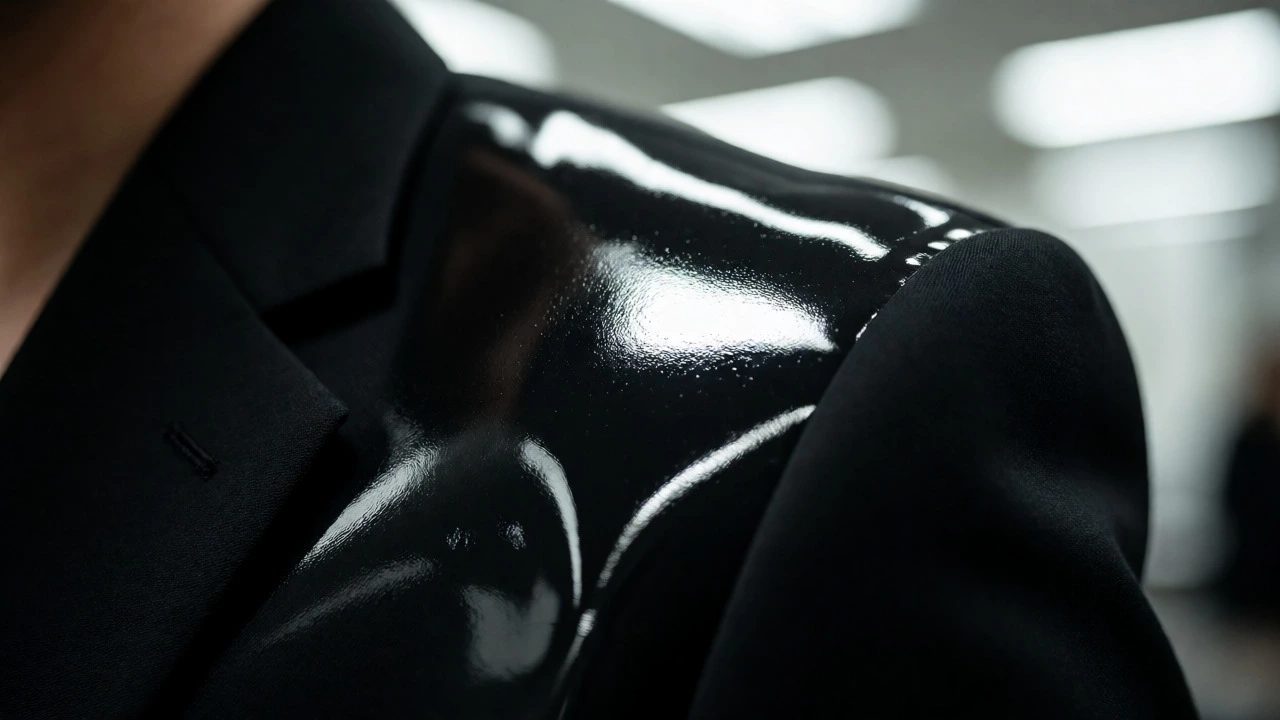
You’ve probably seen it happen. A guy walks into a wedding or a high-stakes business meeting wearing a black suit that reflects the overhead lights like a mirror. He’s confident, he’s well-dressed, but everyone is squinting. Why does his shiny suit feel off? It’s not just about personal taste; it’s about physics and fabric construction. The question isn’t whether you can pull off a bit of gloss, but why so many shiny suits instantly read as "budget" rather than "bold."
Here’s the reality: shine itself isn’t inherently bad. Silk has a natural luster. High-quality wool blends have a subtle glow. But when a suit looks like plastic under fluorescent lighting, it usually signals one of two things: poor fiber quality or an overly aggressive finish applied to hide manufacturing flaws. Let’s break down exactly what makes a suit look expensive versus cheap, and how you can tell the difference before you buy.
The Physics of Shine: Why Light Matters
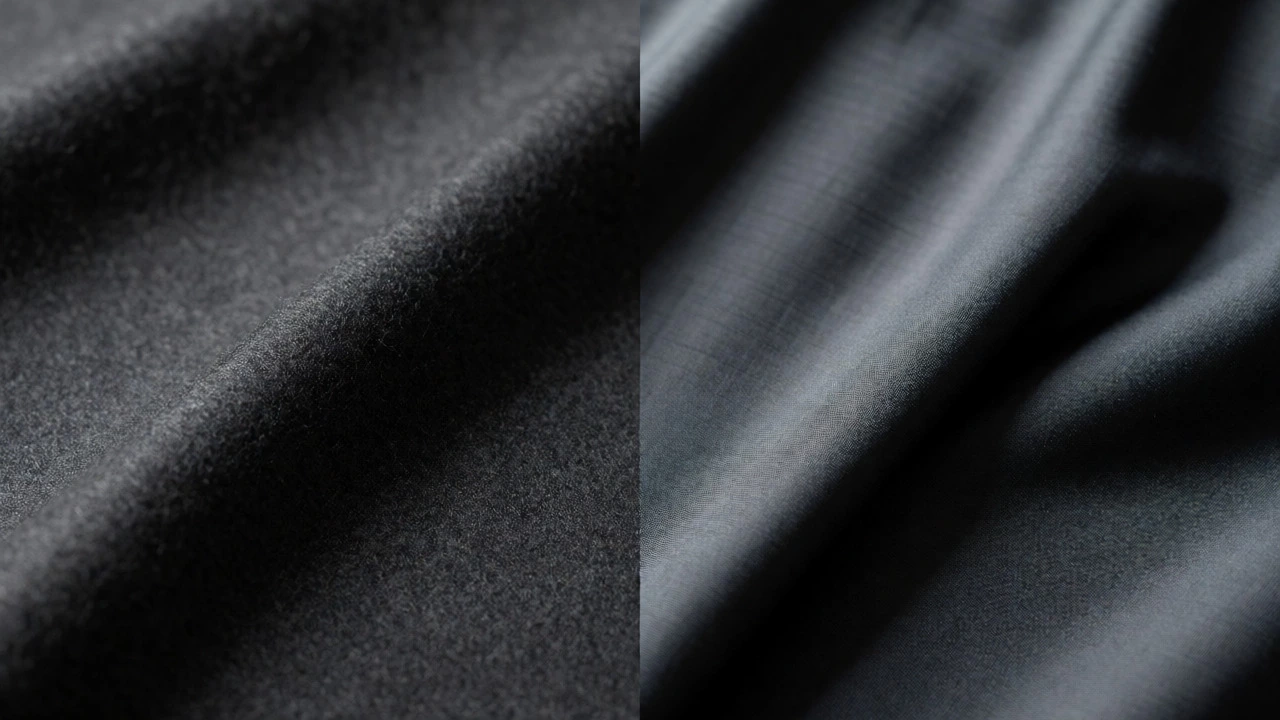
To understand why some suits look cheap, you have to understand how light interacts with fabric. Expensive fabrics are typically made from long-staple fibers-think Super 120s or high-grade Merino wool. These fibers are smooth, uniform, and tightly woven. When light hits them, it scatters softly across the surface. This creates a matte or semi-matte appearance that absorbs light rather than bouncing it back directly at the observer.
Cheap shiny suits, on the other hand, often use short-staple synthetic fibers like polyester or low-grade viscose. These fibers are irregular. To make them look more luxurious, manufacturers apply chemical finishes or weave them in ways that create a high-reflection surface. Instead of absorbing light, the fabric acts like a mirror. Your eyes detect this harsh reflection immediately. It’s the same reason a glossy laminate floor looks less premium than a matte hardwood floor-it’s all about diffuse vs. specular reflection.
Key Factors That Create Unwanted Sheen
- Fiber Type: Synthetic fibers (polyester, nylon) naturally reflect more light than natural fibers (wool, cotton, linen).
- Weave Tightness: Looser weaves allow light to penetrate deeper and bounce back unevenly, sometimes creating a "sparkly" effect.
- Chemical Finishes: Some budget suits are treated with resins to prevent wrinkles, which adds an artificial gloss.
- Color Saturation: Deep blacks and navies show shine much more obviously than lighter greys or tans.
Identifying Cheap Fabric vs. Premium Luster
Not all shine is created equal. There is a distinct difference between the elegant glow of a silk-blend dinner jacket and the tacky glare of a $50 department store blazer. How do you tell them apart without touching them?
First, look at the color depth. A high-quality dark suit should look rich and deep, almost like a void where light disappears. If your black suit looks greyish-blue when the light hits it, that’s a sign of poor dye absorption or thin fabric. Second, check the movement. Shake the sleeve gently. Does the fabric flow like liquid, or does it hold its shape stiffly? Stiff, shiny fabric often indicates heavy starching or low-quality polyester blends that lack drape.
| Feature | Premium Wool Blend | Budget Synthetic Blend |
|---|---|---|
| Light Reflection | Soft, diffuse glow | Harsh, mirror-like glare |
| Texture Feel | Smooth, dry, substantial | Slick, slippery, thin |
| Drape | Falls naturally against body | Holds rigid shapes or clings |
| Wrinkle Recovery | Relaxes slowly, looks natural | Snaps back hard, creases sharply |
| Temperature | Breathable, regulates heat | Traps heat, feels clammy |
When Is Shine Actually Good?
You might be thinking, "But wait, aren't tuxedos shiny?" Yes, they are. And that brings us to context. In formal evening wear, specifically black tie attire, a satin lapel is standard. The contrast between the matte wool body and the glossy satin lapel is intentional. It highlights the collar and draws attention to the face.
However, there is a strict rule for daytime or business suits: keep the shine minimal. A slight sheen on a high-twist wool or a mohair blend is acceptable because it adds texture and visual interest without screaming "cheap." Mohair, derived from the Angora goat, has a natural crispness and luster that commands respect. It doesn’t look plasticky; it looks airy and refined.
If you want to incorporate shine without risking the "cheap" label, try these strategies:
- Use Texture: Choose a herringbone or birdseye pattern. The broken weave breaks up the light reflection, making any inherent shine appear sophisticated rather than glaring.
- Limit the Area: Keep the shine to accessories. A silk pocket square or a satin-lined lapel pin provides pop without overwhelming the suit.
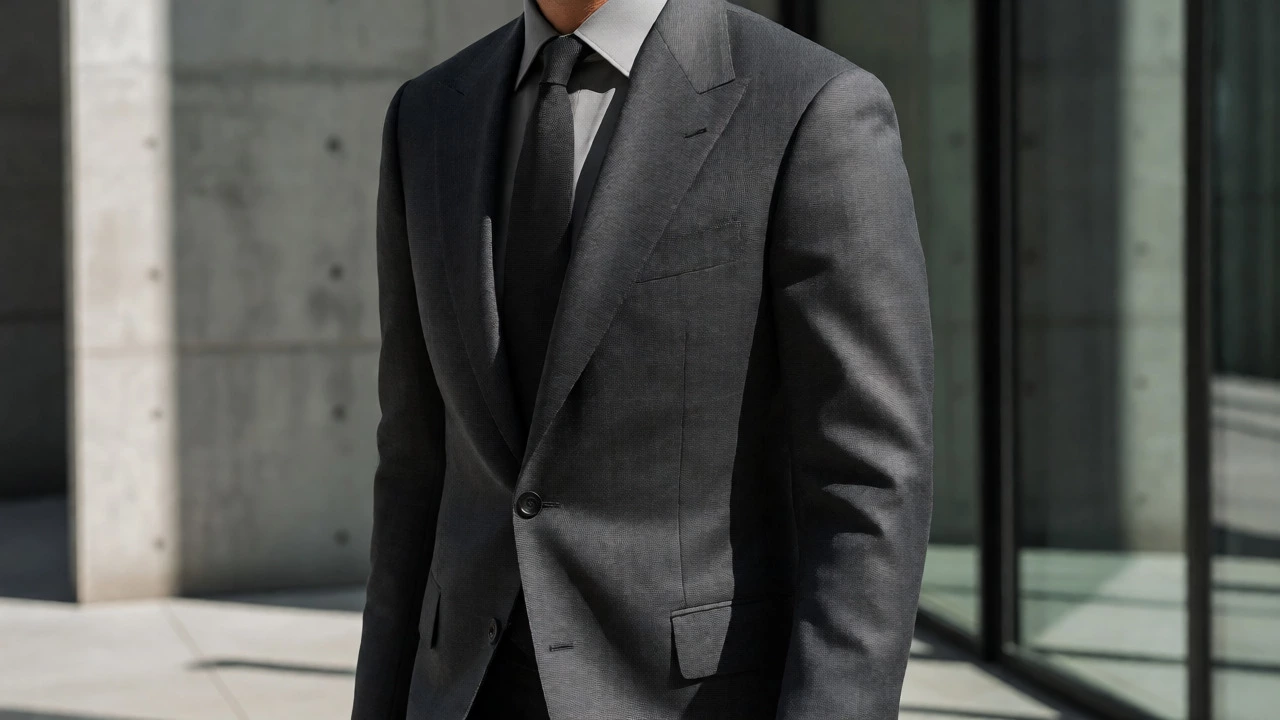
- Choose the Right Color: Navy blue hides minor sheen better than jet black. Charcoal grey is even more forgiving. Save the high-gloss experiments for lighter shades where reflections are less dramatic.
The Role of Fit and Construction
Here is a secret most shoppers miss: fit exacerbates the problem of shiny fabric. When a suit is too tight, the fabric stretches over muscles and bones. This tension pulls the threads apart slightly, exposing more of the raw fiber surface to light. On a shiny synthetic fabric, this stretching amplifies the glare, making the suit look even more like a costume.
Conversely, a well-tailored suit made from matte fabric will always look more expensive, regardless of the price tag. If you already own a shiny suit that bothers you, don’t throw it away. Take it to a tailor. Taking in the waist by half an inch or adjusting the shoulder slope can change how the fabric sits. Less tension means less stretch, which means less unwanted reflection.
Also, consider the lining. Cheap suits often use slippery acetate linings that cause the outer fabric to slide around, creating temporary folds that catch the light weirdly. Higher-end suits use Bemberg cupro or silk linings that glide smoothly but stay put, maintaining a clean silhouette.
How to Test a Suit Before You Buy
You don’t need a degree in textile science to spot a bad suit. Use these three simple tests in the fitting room.
The Crush Test: Grab a handful of fabric on the inside of the jacket near the hem. Squeeze it tight for ten seconds, then let go. Watch how quickly it springs back. If it snaps back instantly and remains perfectly smooth, it likely contains a high percentage of polyester or was heavily chemically treated. This often correlates with a shiny, unnatural look. If it relaxes slowly and shows a few soft wrinkles, that’s a good sign of natural fibers like wool or cotton.
The Light Test: Turn sideways under direct light. Look at the shoulder and chest area. Do you see a broad, flat highlight? Or do you see a gradient of shadow and light? A flat highlight suggests a reflective surface typical of cheaper materials. A gradient suggests depth and quality.
The Pinch Test: Pinch the fabric between your thumb and forefinger and rub it slightly. Does it feel slick and cool, like plastic? Or does it feel dry and slightly fuzzy? Natural fibers have friction. Synthetics feel slippery. Slippery equals shiny equals risky.
Alternatives to Avoid the "Cheap" Label
If you’re worried about looking cheap but still want a sharp appearance, pivot your fabric choices. Here are three reliable options that offer sophistication without the glare.
High-Twist Wool: This fabric is made from yarns twisted together multiple times. The result is a textured surface that reflects light diffusely. It’s wrinkle-resistant, breathable, and has a modern, matte finish. Brands like Loro Piana or even mid-tier retailers now offer accessible high-twist options.
Linen Blends: Pure linen wrinkles easily, which can look messy. But a wool-linen blend offers the breathability of linen with the structure of wool. The natural slubs (tiny bumps) in linen break up light reflections, ensuring no single point shines too brightly.
Fresco Weave: Originally designed for tropical climates, Fresco is a highly open-weave wool. It’s durable, crisp, and completely matte. Because air passes through it, it doesn’t cling to the body, preventing the stretched-fabric shine issue entirely.
Final Verdict: Can You Wear Shiny Suits?
So, do shiny suits look cheap? Usually, yes-if the shine is unintentional, harsh, and caused by low-quality synthetics. But if the shine is controlled, textural, and part of a deliberate design choice (like a velvet blazer or a silk blend), it can look incredibly stylish.
Your goal shouldn’t be to avoid all shine, but to avoid bad shine. Focus on natural fibers, proper fit, and context-appropriate colors. If you stick to matte wools for daily wear and reserve the gloss for specific fashion statements, you’ll never get mistaken for wearing a discount rack find.
Why does my black suit look blue in the sunlight?
This is common with lower-quality black dyes. Many budget suits use a base fabric that is actually dark navy or charcoal, dyed black. Under bright UV light, the underlying pigment shows through. High-quality black wool uses stronger, deeper dyes that remain true black even in direct sun. If your suit turns blue, it’s likely a sign of inferior dyeing processes or thinner fabric density.
Is a shiny suit okay for a job interview?
Generally, no. For most professional environments, especially conservative industries like finance or law, a matte finish is preferred. Shiny suits can distract the interviewer and may subconsciously signal a lack of seriousness or attention to detail. Stick to charcoal grey, navy, or medium grey in a matte wool fabric. Save the shiny textures for creative fields or social events.
Can I fix a shiny suit by washing it?
Washing won’t remove the inherent shine of the fabric, but it can help if the shine is due to excess starch or sizing from the factory. Dry cleaning is safer than home washing for suits. However, frequent dry cleaning can degrade fibers over time. If the shine is structural (caused by the polyester content), no amount of cleaning will make it matte. You’d need to re-dye or replace the fabric.
What is the best fabric for a summer suit that isn't shiny?
Look for a wool-silk-linen blend or a pure Fresco wool. These fabrics are lightweight and breathable but have a textured surface that diffuses light. Seersucker is another great option for casual summer wear; its puckered weave eliminates shine entirely while keeping you cool. Avoid 100% polyester blends, as they trap heat and reflect light aggressively.
Does a higher Super number mean less shine?
Not necessarily. Super numbers (like Super 100s, 120s, 150s) refer to the fineness of the wool fiber, not its finish. Very fine Super 180s+ wools can actually be quite delicate and prone to showing shine if not woven tightly. A Super 110s or 120s wool with a matte finish is often more practical and visually appealing for daily wear than ultra-fine, fragile fabrics.