School Uniform Happiness Estimator
Use this estimator to gauge whether a uniform policy is likely to boost or hinder your child's well-being. Adjust the sliders below to reflect your child's specific traits.
Awaiting Input...
Adjust the sliders to see how uniform policies might align with your child's temperament.
Recommendations:
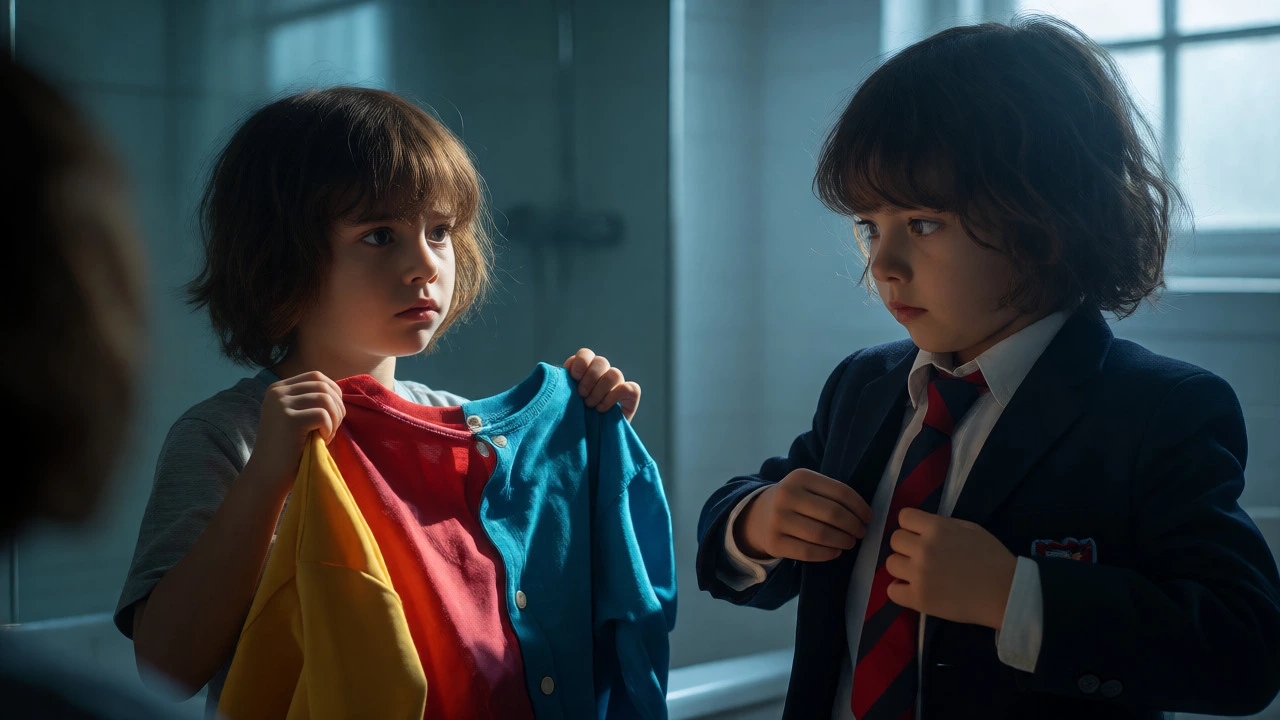
Imagine standing in front of a mirror at 6:30 AM. For some kids, this is the start of a creative journey-mixing patterns, choosing colors, expressing who they are before they even leave the house. For others, it’s a moment of dread. Does this shirt make me look weird? Did I wear this last week? This daily ritual consumes mental energy that could be spent on math problems or recess games. The debate over whether school uniforms are a standardized set of clothing worn by students to promote equality and discipline actually make children happier isn’t just about fabric; it’s about identity, anxiety, and belonging.
You might think the answer is simple: less choice means less stress. But human psychology doesn’t work like a light switch. When you strip away individual expression, do you gain peace of mind, or do you lose a crucial outlet for self-discovery? As someone observing the shift in Toronto’s diverse school districts, I’ve seen both sides play out in hallways and cafeterias. Let’s break down what the data-and real-life experiences-say about the link between uniforms and student well-being.
The Morning Anxiety Factor
Let’s talk about decision fatigue. It sounds like a buzzword from corporate boardrooms, but it hits hard when you’re eight years old and trying to find matching socks. A study published in the Journal of School Health suggested that removing daily outfit choices reduced morning conflicts between parents and children. When kids don’t have to worry about whether their sneakers are "cool" enough, there’s a measurable drop in pre-school anxiety for many students.
However, this relief isn’t universal. For creative kids, clothes are their first canvas. Taking away that canvas can feel like taking away a voice. If a child expresses themselves through bold prints or vintage finds, a uniform can feel like a cage. So, does the reduction in morning stress outweigh the loss of creative expression? It depends entirely on the child’s personality type. Extroverts who love attention might hate blending in, while introverts who fear judgment often thrive in the anonymity of a blazer and slacks.
Social Equality vs. Hidden Status Symbols
The biggest argument for uniforms is leveling the playing field. In theory, if everyone wears the same polo shirt, no one knows whose parents earn more. You can’t tell who has the latest designer label if everyone looks identical. This reduces overt bullying based on clothing brands. I remember seeing kids tease each other relentlessly over logo placement until a strict dress code was enforced. Suddenly, the hierarchy shifted from "who has the best shoes" to "who is funny" or "who is good at soccer."
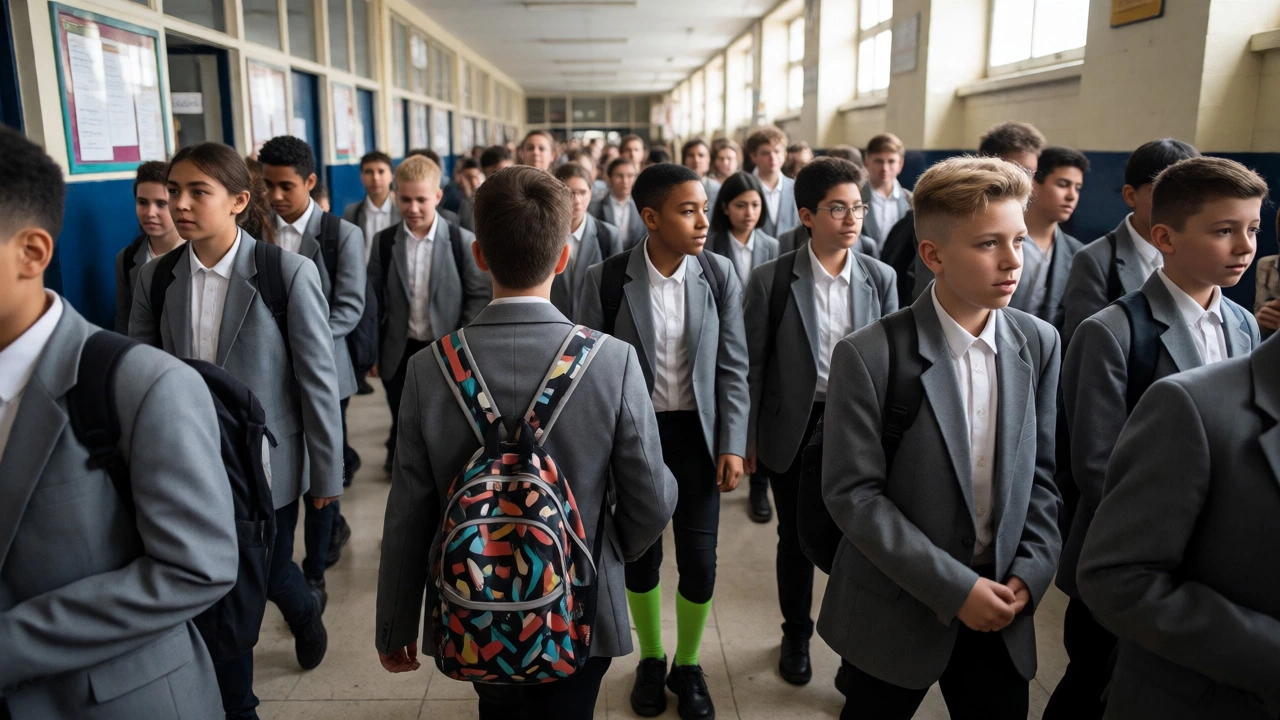
But here’s the catch: status symbols never disappear; they just move. When clothes are equalized, kids find other ways to signal status. It might be the brand of backpack, the model of smartphone, or even the quality of the haircut. Uniforms reduce one layer of social stratification but don’t erase it. In fact, some students report feeling *more* visible because any deviation from the norm-a untucked shirt, a non-standard pair of socks-stands out sharply against the backdrop of sameness.
Identity Formation in a Sea of Sameness
Adolescence is all about figuring out who you are separate from your family. Clothes are a low-stakes way to experiment with identity. One day you’re grunge, the next you’re preppy. Uniforms pause this experimentation during school hours. Does this hinder happiness? Some psychologists argue that it allows students to focus on their intellectual identity rather than their visual persona. You’re known for your ideas, not your jacket.
Yet, without an outlet for visual expression, some teens channel their rebellion into other areas. Haircuts become extreme, accessories get loud, or behavior becomes disruptive. The need to express individuality is primal. If schools ban it in the hallway, students will find a way to assert it elsewhere. Happiness comes from balance. Schools that allow minor customization-like unique ties, socks, or hairstyles-often see higher satisfaction rates among older students than those with rigid, zero-tolerance policies.
The Comfort Conundrum
Let’s be honest: most school uniforms are not designed for comfort. They are designed for durability and cost-efficiency. Stiff collars, scratchy wool blends, and ill-fitting trousers can make sitting through a six-hour day miserable. How can a kid be happy if they’re constantly adjusting their waistband or sweating in a polyester blend?
Modern trends are shifting this. Many schools are moving toward "smart casual" codes or performance fabrics that mimic sportswear. When uniforms are comfortable, the happiness metric improves significantly. A child who feels physically at ease is more likely to engage in class. If the uniform feels like a costume imposed by adults, resentment builds. If it feels like practical gear for learning, acceptance grows. Parents should check the fabric content before buying; natural fibers like cotton blends usually win over synthetic ones for long-term comfort.
What Does the Data Actually Say?
It’s tricky to pin down "happiness" in scientific terms. Most studies measure proxies like attendance, disciplinary reports, or self-reported confidence. Here is a breakdown of common findings regarding uniform policies:
| Metric | With Uniforms | Without Uniforms | Key Insight |
|---|---|---|---|
| Morning Stress | Lower | Higher | Reduces decision fatigue for anxious students. |
| Social Bullying | Reduced (Clothing-based) | Variable | Bullying shifts to other markers like tech or hair. |
| Self-Expression | Limited | High | Creative students may feel stifled without outlets. |
| Sense of Belonging | Higher | Individualistic | Fosters community pride and team spirit. |
The data suggests that uniforms help specific groups-those prone to anxiety or those from lower-income backgrounds-while potentially frustrating highly expressive personalities. There is no one-size-fits-all happiness boost.

How to Make Uniforms Work for Your Child
If your school mandates uniforms, you can still influence your child’s happiness. It’s not about fighting the system; it’s about optimizing within it.
- Fit Matters: Tailoring is cheap compared to therapy. Ensure pants aren’t dragging and shirts aren’t too baggy. Feeling put-together boosts confidence.
- Accessorize Wisely: Check the rules. Can they wear colorful socks? A unique watch? A distinct backpack? These small wins satisfy the need for individuality.
- Comfort First: Invest in quality underwear and socks. No amount of style compensates for chafing or cold feet.
- Listen to Feedback: Ask your child weekly: "Did you feel invisible today, or did you stand out?" Their answer tells you if the uniform is helping or hurting.
Conversely, if your school has a loose dress code, encourage moderation. Help them understand that fashion is fun, but it shouldn’t dictate their self-worth. Teaching kids to detach their value from their appearance is the ultimate goal, regardless of what they wear.
Final Thoughts on Happiness
So, are kids happier with school uniforms? For the majority who struggle with social comparison and morning chaos, yes, there is a tangible relief. It removes a daily hurdle. But for the creative rebels, it can feel restrictive. Happiness isn’t found in the fabric itself, but in how the policy aligns with the child’s temperament. The best approach isn’t a blanket mandate but a flexible culture that values comfort, minimizes judgment, and allows room for personal flair-even if it’s just a pair of neon green socks under a grey blazer.
Do school uniforms improve academic performance?
The link between uniforms and grades is weak. While some studies show slight improvements in attendance and punctuality, there is no strong evidence that uniforms directly cause higher test scores. Any benefit is likely indirect, stemming from reduced distractions and improved classroom focus.
Can uniforms reduce bullying?
Uniforms can reduce bullying specifically related to clothing brands and economic status. However, they do not eliminate bullying entirely. Students often find other ways to distinguish themselves, such as through footwear, accessories, or technology, which can become new targets for teasing.
Why do some kids hate wearing uniforms?
Kids often dislike uniforms due to discomfort, poor fit, or a desire for self-expression. Adolescents, in particular, use fashion to explore their identity. Being forced to conform can feel like a suppression of their developing personality, leading to resistance or resentment.
Are uniforms cheaper for families?
Initially, uniforms can be expensive due to upfront costs for multiple sets. However, over time, they may save money by reducing the need for trendy, fast-fashion wardrobes. Families must weigh the high initial investment against the potential savings in general clothing purchases.
How can parents support kids who dislike uniforms?
Parents can focus on fit and comfort, allowing small personalized accessories if permitted. Validating their feelings without dismissing the rule helps. Encouraging expression outside of school hours also balances the restriction felt during the school day.