Jacket vs Coat Identifier
This tool helps you determine if a garment is technically a jacket or coat based on the historical definitions and criteria explained in the article.
Answer these 4 simple questions to find out what type of outerwear you're dealing with.
Result
Your garment is identified here based on the criteria from the article.
Ever wonder why we call it a jacket? It’s not because it’s short for something. It’s not because it’s made of a special fabric. The word comes from a time when people didn’t wear coats like we do today - and the name stuck because of a simple, surprising twist in history.
It Started as a Small Thing
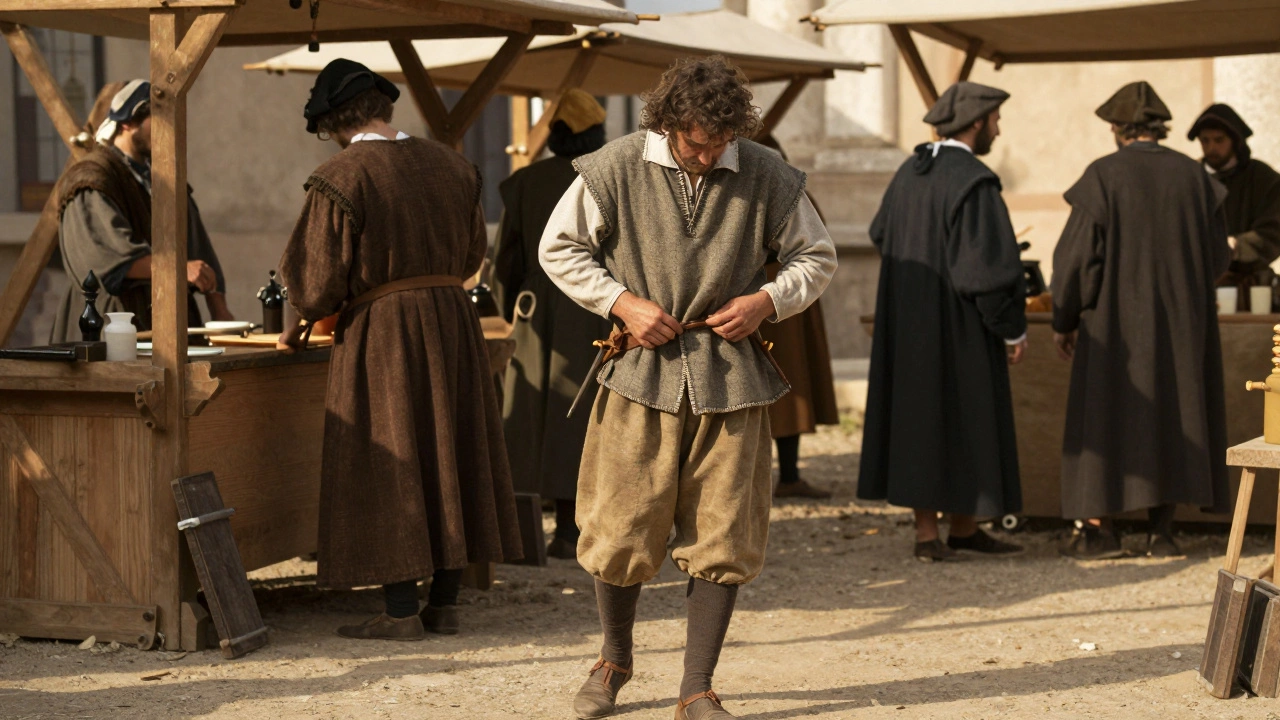
The word "jacket" didn’t come from fancy tailors or royal courts. It came from the French word "jaquette," which meant a small coat. Back in the 1500s, people in Europe wore long, heavy outer garments called "coats" or "gowns." But laborers, soldiers, and sailors needed something lighter - something they could move in, tie around their waist, or throw on quickly. So they started wearing shorter versions of those coats. These smaller versions were called "jaquettes," meaning "little coat."By the 1600s, English speakers borrowed the word and turned it into "jacket." It wasn’t a fancy word. It was practical. Like calling a small pot a "pot" and a bigger one a "cauldron." The jacket was the smaller, simpler version of the coat.
It Wasn’t Always for Warmth
For centuries, jackets weren’t just for cold weather. In the 1700s, men wore fitted jackets called "justaucorps" as part of formal suits - these were worn over waistcoats and breeches. They were decorative, not protective. Women wore short jackets over dresses as a fashion statement. Sailors wore thick, buttoned jackets to keep saltwater off their shirts. Farmers wore them to protect their clothes while working.The jacket didn’t have one job. It had many. And that’s why the name stuck - it wasn’t tied to a single use. It was a catch-all term for any short outer garment, no matter who wore it or why.
The Industrial Revolution Made It Everywhere
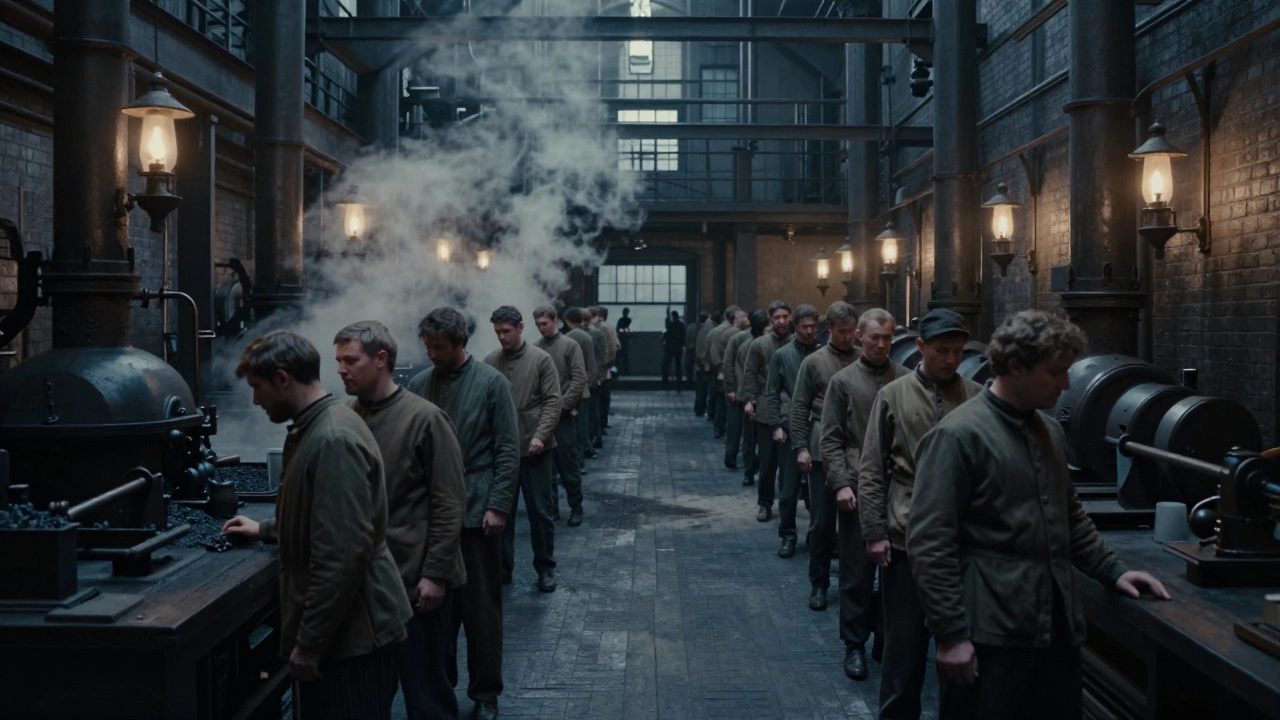
Before factories, clothes were made by hand. Only the rich could afford custom coats. But in the 1800s, machines started stitching fabric faster and cheaper. Suddenly, jackets became affordable. Factories in England, Germany, and later the U.S. mass-produced them. Workers in mills, miners, railroad crews - everyone needed something durable. The jacket was perfect.By the 1880s, the term "jacket" was used for everything from men’s workwear to women’s walking suits. Even the military started calling their short, tight-fitting uniforms "jackets." The British Army had the "tunic jacket," the U.S. Navy had the "pea jacket." The name wasn’t about style - it was about size and function.
Why Not Just Call It a Coat?
You might ask: if it’s a short coat, why not just say "short coat"? Because language doesn’t work like that. Once a word becomes common, it replaces the description. Think of "phone" instead of "telephone," or "fridge" instead of "refrigerator.""Jacket" was easier to say. It was quicker. And it didn’t confuse people. A coat was long, heavy, and often lined. A jacket was shorter, lighter, and worn on top of other layers. The difference mattered. By the 1900s, fashion designers started using the word to signal a specific silhouette - a jacket had structure, a collar, buttons, and ended at the waist or hips. A coat could go to the knees or ankles.
Modern Jackets Are a Mix of History and Function
Today’s jackets - from denim to bomber to parka - all carry that old meaning. A denim jacket is still a short, lightweight outer layer. A bomber jacket keeps your torso warm without covering your legs. A windbreaker? It’s not meant to be a full coat. It’s a jacket.Even the word "vest" or "cardigan" doesn’t replace "jacket." A vest has no sleeves. A cardigan opens in front. A jacket? It closes, it fits close to the body, and it’s designed to be worn as the outermost layer - unless you’re in a snowstorm and add a coat on top.
It’s Not About Fabric - It’s About Fit
Here’s the key thing most people miss: a jacket isn’t defined by what it’s made of. It’s defined by how it fits and where it ends.- A leather jacket? It’s still a jacket even if it’s made of heavy cowhide.
- A quilted nylon jacket? Still a jacket, even if it’s waterproof.
- A silk blazer? Still a jacket, even if it’s for formal events.
What makes them all jackets? They all end around the waist. They all have sleeves. They all button or zip closed. They’re meant to be worn over shirts, sweaters, or T-shirts - not over another coat.
Why This Matters Today
Understanding where the word came from helps you choose the right piece of clothing. If you’re shopping for winter gear and see "jacket" and "coat" side by side, you now know: the coat is longer. The jacket is shorter. The coat is for deep cold. The jacket is for layering.It also explains why some brands call their products "jackets" even when they’re thick. A North Face "jacket" might have insulation and a hood - but if it stops at your hips, it’s still a jacket. If it goes past your butt? That’s a coat.
This isn’t just semantics. It’s practical. Wearing the wrong one can leave you cold - or sweaty. Knowing the difference saves you money and discomfort.
Fun Fact: The Original "Jacket" Was a Woman’s Thing
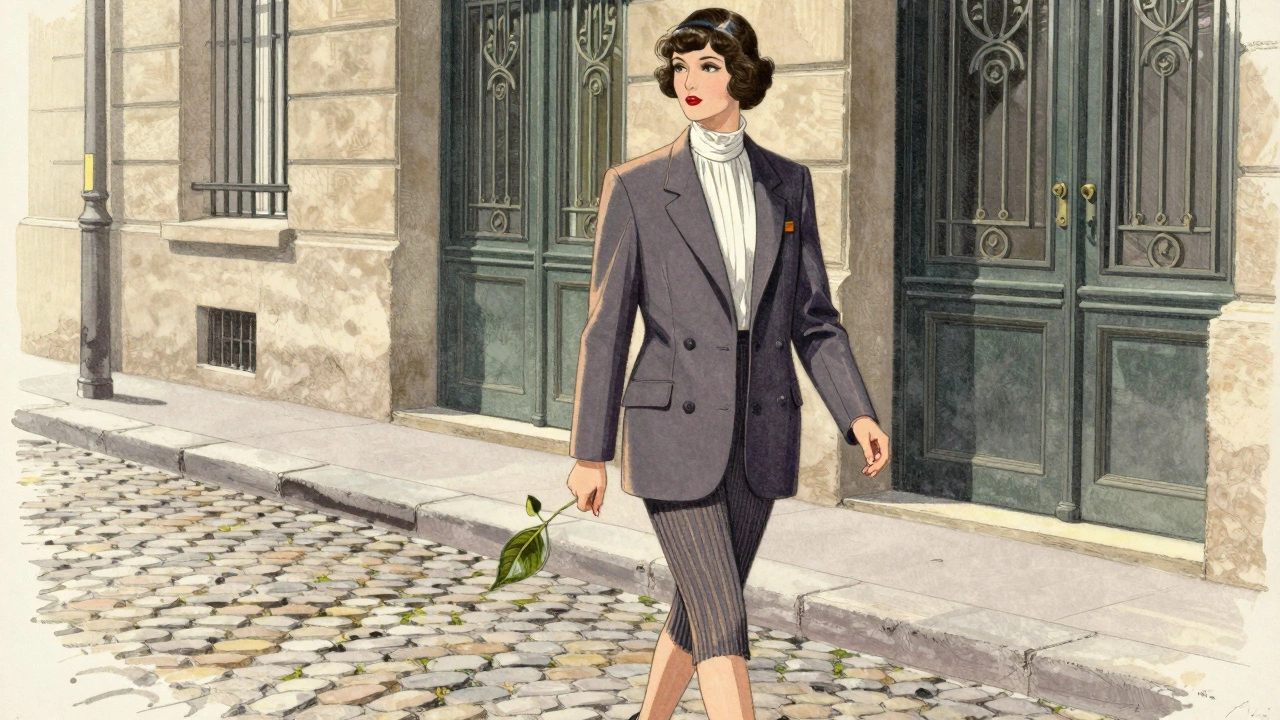
In the 18th century, the first jackets worn by women weren’t for men. They were called "jackets" because they were short, fitted, and worn over petticoats. Men’s jackets came later as a military adaptation. Women were the original jacket wearers - and they made it fashionable.By the 1920s, Coco Chanel made the jacket a symbol of women’s independence. Her tailored jackets with boxy shoulders became the uniform of working women. That’s why today’s blazers still carry that same sharp, powerful silhouette - it started with women who refused to wear long, restrictive dresses.
So Why Is It Called a Jacket?
Because it started as a small coat. Not because it’s stylish. Not because it’s trendy. Not because some designer named it. It’s called a jacket because, hundreds of years ago, someone needed a shorter version of a coat - and they called it "jaquette." The name survived because it was useful. Simple. Clear.Next time you pull on your favorite jacket, remember: you’re wearing a word that’s been around since the days of horse-drawn carriages. And it’s still perfect for what it does.
Is a hoodie a jacket?
Technically, no. A hoodie is a sweatshirt with a hood. It doesn’t have a front closure like a jacket - no buttons, zippers, or snaps. It’s more like a loose, pullover top. But in casual speech, people often call it a jacket because it’s worn on the outside. Functionally, it acts like one - but by strict definition, it’s not.
Can a jacket be long?
Yes, but it’s rare. Most jackets end at the waist or hips. If a garment extends past the hips - say, to mid-thigh or lower - it’s usually called a coat. There are exceptions, like the "longline jacket," which is designed to look like a hybrid. But even then, designers still call it a jacket because it’s structured like one - not loose like a coat.
What’s the difference between a jacket and a blazer?
A blazer is a type of jacket - but not all jackets are blazers. Blazers are usually made of wool or tweed, have structured shoulders, metal buttons, and are worn with dress pants or skirts. They’re meant for formal or business-casual settings. A regular jacket could be denim, nylon, or leather - and it’s more casual. The blazer is the formal cousin of the jacket.
Why do some jackets have no buttons?
Some jackets, like windbreakers or athletic jackets, use zippers or drawstrings instead. That’s because they’re designed for movement, not formality. Buttons are slower to fasten and can catch on things. Zippers are faster and more secure during activity. The name "jacket" doesn’t require buttons - just a front closure and a waist-length fit.
Do all cultures call it a jacket?
No. In Japan, they use "jakketto" (ジャケット), borrowed from English. In Russia, it’s "kurtka" (куртка), which originally meant a short military coat. In Arabic, it’s "jaket" (جاكيت), again borrowed. The word spread globally because of trade, colonialism, and fashion - but the original meaning stayed: a short outer garment.
What to Look for When Buying a Jacket
If you’re shopping for one, here’s what to check:- Length - Does it end at your waist or lower? If it’s below the hip, it’s probably a coat.
- Closure - Does it zip, button, or snap? Jackets usually have one.
- Fit - Is it close to the body? Jackets are meant to be worn over other layers, not as a standalone outer shell.
- Material - Is it lightweight or medium-weight? Heavy, bulky outerwear is usually called a coat.
Don’t let marketing confuse you. If the tag says "jacket," it’s likely meant to be worn as your top layer - not your only layer in freezing weather.