Chelsea Boot Pain Diagnostic Tool
Answer the following questions to identify why your Chelsea boots hurt and get personalized solutions.
Your Diagnosis:
Recommended Fixes:
There is nothing worse than stepping out the door looking sharp in a pair of Chelsea boots are ankle-high boots with an elastic side panel that allows for easy wear, popularized by the Beatles and known for their sleek, minimalist design. only to feel like you are walking on hot coals ten minutes later. You bought them because they looked great, but now your feet are screaming. You aren't alone. This is one of the most common complaints among boot lovers, especially women who often struggle with finding the right fit in styles originally designed with male foot proportions in mind.
The good news? Your boots probably don't need to be thrown away. In most cases, the pain comes from a specific, fixable issue-whether it's the break-in period, the wrong sock choice, or a structural mismatch between your foot shape and the boot's last. Let’s figure out exactly why your feet hurt and how to stop the agony before your next outing.
The Break-In Period: Is It Normal?
First, let’s address the elephant in the room. Are your boots new? If you just unboxed them this week, some discomfort is completely normal. Leather, especially high-quality full-grain leather used in premium brands like Dr. Martens is a British footwear brand known for its durable leather boots and distinctive yellow stitching. or Blundstone is an Australian brand famous for its slip-on work boots and rugged durability., is stiff. It hasn't molded to your foot yet. The elastic panels haven't stretched to accommodate your ankle width, and the sole is rigid.
However, there is a difference between "break-in" and "pain." A break-in period should feel like mild pressure or tightness. It should not cause sharp stinging, numbness, or blisters. If you are feeling sharp pain, the boot likely doesn't fit correctly, no matter how long you wear them. Real leather will stretch about half a size over time, but it won't magically transform a narrow toe box into a wide one.
The Toe Box Trap
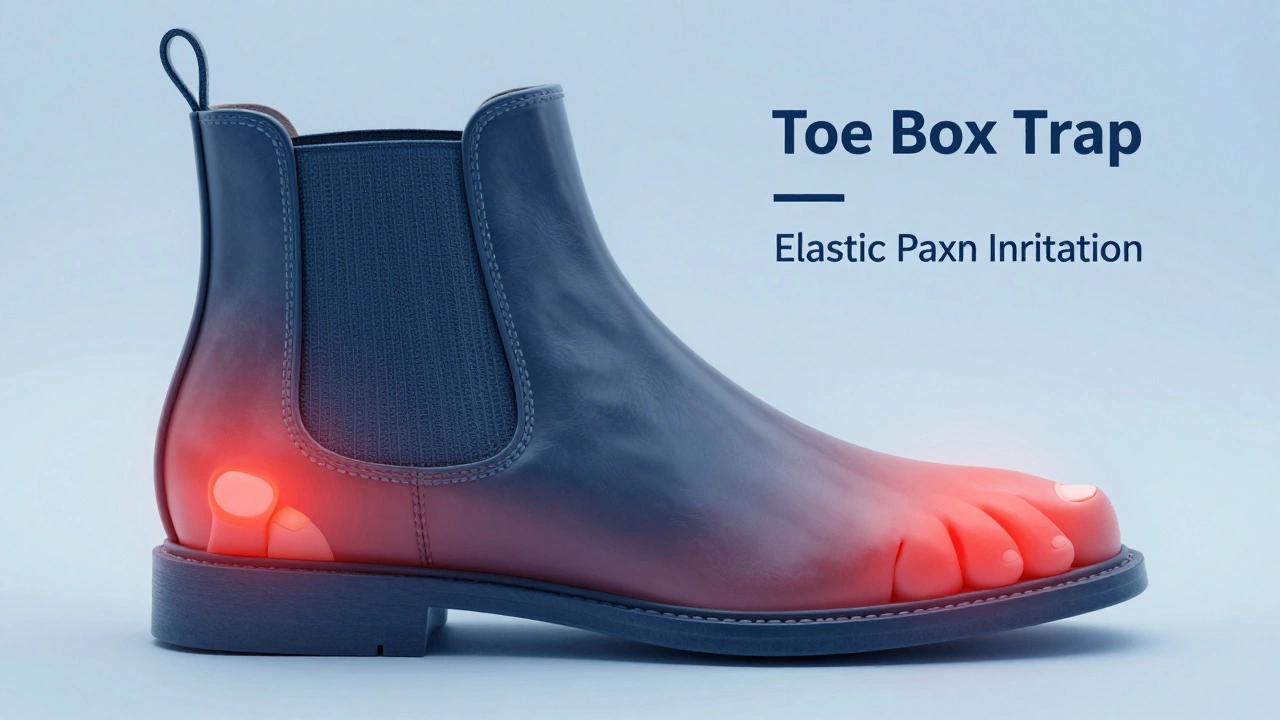
One of the biggest culprits for foot pain in Chelsea boots is the toe box. Many modern Chelsea boots feature a pointed or almond-shaped toe to maintain that sleek silhouette. While this looks fantastic in photos, human toes are naturally splayed and rounded. When you cram your toes into a narrow, tapered space, you compress the nerves and bones at the front of your foot.
This compression leads to several issues:
- Bunions: Pressure on the joint at the base of the big toe can aggravate existing bunions or cause them to develop.
- Morton’s Neuroma: Squeezing the forefoot can irritate the nerve leading to your toes, causing burning or tingling.
- Ingrown Toenails: Constant pressure on the sides of the nails forces them into the surrounding skin.
If your toes are touching the end of the boot or pressing hard against the sides, the boot is too small or the style is too narrow for your foot shape. Look for brands that offer "wide" widths or have a more rounded toe profile, such as those found in heritage workwear lines.
Elastic Panel Irritation
That signature elastic side panel is what makes Chelsea boots so convenient, but it’s also a frequent source of pain. The elastic sits directly against the widest part of your foot, near the instep and ankle bone. If the panel is too tight, it cuts off circulation or rubs against sensitive skin, creating painful hotspots.
This is particularly problematic for women with higher insteps or wider ankles. The elastic doesn't stretch vertically; it stretches horizontally. So, if your foot is tall, the top edge of the elastic digs in. Over time, this friction causes redness, chafing, and even open sores. To mitigate this, ensure the pull tab at the back is being used effectively to help slide your foot in without forcing it through a tight elastic gap.
Heel Slippage and Blisters
Have you noticed that every step sends a jolt up your leg? Heel slippage is a classic sign that the boot is too big or the heel counter (the stiff part at the back) isn't hugging your heel properly. When your heel slips, your foot slides forward inside the boot. This creates two problems: first, the friction causes blisters on your heel and Achilles tendon. Second, your toes jam into the front of the boot with every step, compounding the toe box issues mentioned earlier.
Chelsea boots rely on a snug fit around the ankle to keep the foot in place. If there is any wobble, the entire mechanics of the shoe fail. For women with narrower heels, this is a common issue. You might need a heel grip pad or a tongue pad to take up the extra volume and lock your heel in place.
Sole Stiffness and Arch Support
Don't ignore the bottom of the boot. Many fashionable Chelsea boots prioritize aesthetics over ergonomics. They often come with thin, flat soles that offer zero arch support. If you have flat feet or high arches, walking on a completely flat surface for extended periods puts strain on your plantar fascia, leading to heel pain and lower back issues.
Additionally, new leather soles or thick rubber soles can be incredibly rigid. They don't bend where your foot bends. This forces your foot muscles to work overtime to flex the sole, leading to cramping and fatigue in the balls of your feet. If your boots feel like bricks, try bending them manually with your hands before wearing them to soften the crease points.
Wrong Socks, Wrong Game
It sounds simple, but the socks you wear play a huge role in comfort. Wearing thin cotton socks in thick leather boots can lead to slipping and lack of cushioning. Conversely, wearing bulky wool socks in a tightly fitted boot can squeeze your foot beyond its limits, cutting off circulation.
For the best balance, opt for moisture-wicking synthetic blends or merino wool socks that provide cushioning without adding excessive bulk. These materials reduce friction, which is the primary cause of blisters. Avoid seams that run across the toes or heels, as these create pressure points inside the boot.
How to Fix Painful Chelsea Boots
If your boots are still hurting, here are practical steps to alleviate the pain without ruining the shoes:
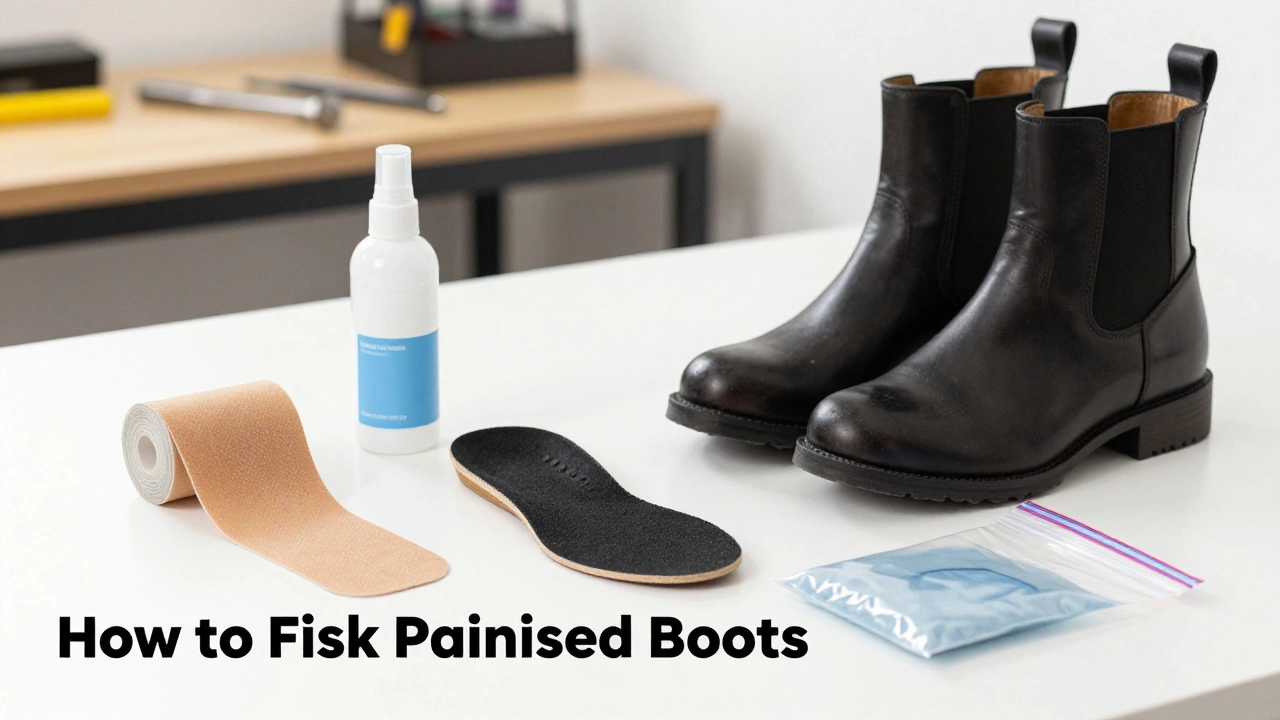
- Stretch the Leather: Use a leather stretching spray on tight areas, then wear the boots with thick socks around the house for short periods. This helps the leather expand safely.
- Add Insoles: If the arch support is lacking, insert a supportive insole. This can also raise your foot slightly, reducing tension on the elastic panels.
- Use Moleskin: Apply adhesive moleskin pads to areas where the elastic or lining rubs against your skin. This creates a protective barrier against friction.
- Freeze Method: Fill zip-lock bags with water, place them inside the toe box of your boots, and freeze them overnight. As water expands when freezing, it gently stretches the leather from the inside.
- Cobbler Adjustment: Take them to a professional cobbler. They can stretch specific parts of the boot using mechanical tools, which is safer and more effective than DIY methods for severe tightness.
Choosing the Right Fit Next Time
To avoid this pain in the future, pay attention to the "last" (the mold around which the shoe is built). Try on boots in the afternoon when your feet are naturally slightly swollen. Ensure there is a thumb’s width of space between your longest toe and the end of the boot. Check that the elastic panel feels snug but not constricting. If you have wide feet, prioritize brands that explicitly offer wide sizes rather than trying to stretch narrow ones.
How long does it take to break in Chelsea boots?
Typically, it takes about 2 to 4 weeks of regular wear to fully break in leather Chelsea boots. During this time, wear them for short periods indoors to allow the leather to mold to your foot shape gradually. If pain persists beyond a month, the boots likely do not fit correctly.
Should Chelsea boots be tight or loose?
Chelsea boots should fit snugly around the ankle and instep to prevent heel slippage, but they should never feel tight or constricting. There should be enough room in the toe box for your toes to wiggle freely. A proper fit feels secure, not squeezed.
Can I stretch my Chelsea boots if they are too small?
Yes, you can stretch leather Chelsea boots slightly, usually up to half a size. However, you cannot significantly change the length or width of the shoe. Stretching works best for minor tightness in the toe box or instep. Synthetic materials cannot be stretched effectively.
Why do my heels hurt after wearing Chelsea boots?
Heel pain is often caused by heel slippage, which creates friction and blisters, or by inadequate arch support in the sole. If your heel moves up and down while walking, use heel grips. If you feel pain in the center of your heel, consider adding a supportive insole to improve arch alignment.
Are Chelsea boots good for wide feet?
Standard Chelsea boots can be challenging for wide feet due to the elastic panels and narrow toe boxes. However, many brands now offer wide-width options. Look for styles with a rounder toe and softer leather, which accommodates wider foot shapes better than stiff, pointed designs.