Denim Sustainability Calculator
See how much water and carbon you save by keeping your jeans longer
Your Impact
Water saved: 0 liters
Carbon reduction: 0%
Based on 2,700L water per new pair and 30% reduction per 9 months
Why This Matters
"A 2023 Ellen MacArthur Foundation report found that extending a pair of jeans by just nine months reduces its carbon footprint by 30%."
"Each new pair uses 2,700 liters of water - enough for one person to drink for 2.5 years."
Everyone’s got that one pair of jeans they refuse to throw out. They’re faded, a little loose around the knees, maybe even have a tiny hole near the pocket. You don’t wear them to work. You don’t wear them on dates. But you wear them every weekend. Why? Because old jeans just feel better. Not because they’re trendy. Not because they’re rare. But because they’ve become an extension of your body.
They Fit Like a Second Skin
New jeans are stiff. The fabric is tight. The waistband digs in. The thighs feel like they’re being squeezed by a vice. That’s not a fit-that’s a challenge. Old jeans don’t have that problem. Over months of wear, the cotton fibers relax. The denim stretches where your body moves: at the hips, behind the knees, across the thighs. It molds to your shape like clay around a mold. You don’t have to adjust them. You don’t have to tug. You just pull them on and walk out the door. There’s no other clothing that does this. Not leggings. Not joggers. Not even tailored slacks. Denim, when broken in, becomes uniquely personal.
They’re Made to Last-Not to Disappear
Most jeans today are built for fast fashion. Thin fabric. Weak stitching. Cheap dyes. They’re meant to be worn a few times, then tossed. But old jeans? They’re usually made from heavier cotton, woven with tighter threads. You’ll find them in brands like Levi’s 501, Wrangler 1955, or even older Japanese selvedge denim from the 1980s. These weren’t designed to be disposable. They were built to survive. A pair of jeans from 1998 might weigh 14 ounces. A new pair from a fast-fashion brand? Maybe 9. That extra weight? It’s durability. That’s why old jeans still have their original buttons. That’s why the seams haven’t unraveled. That’s why they still look good after 10 years.
They Tell a Story
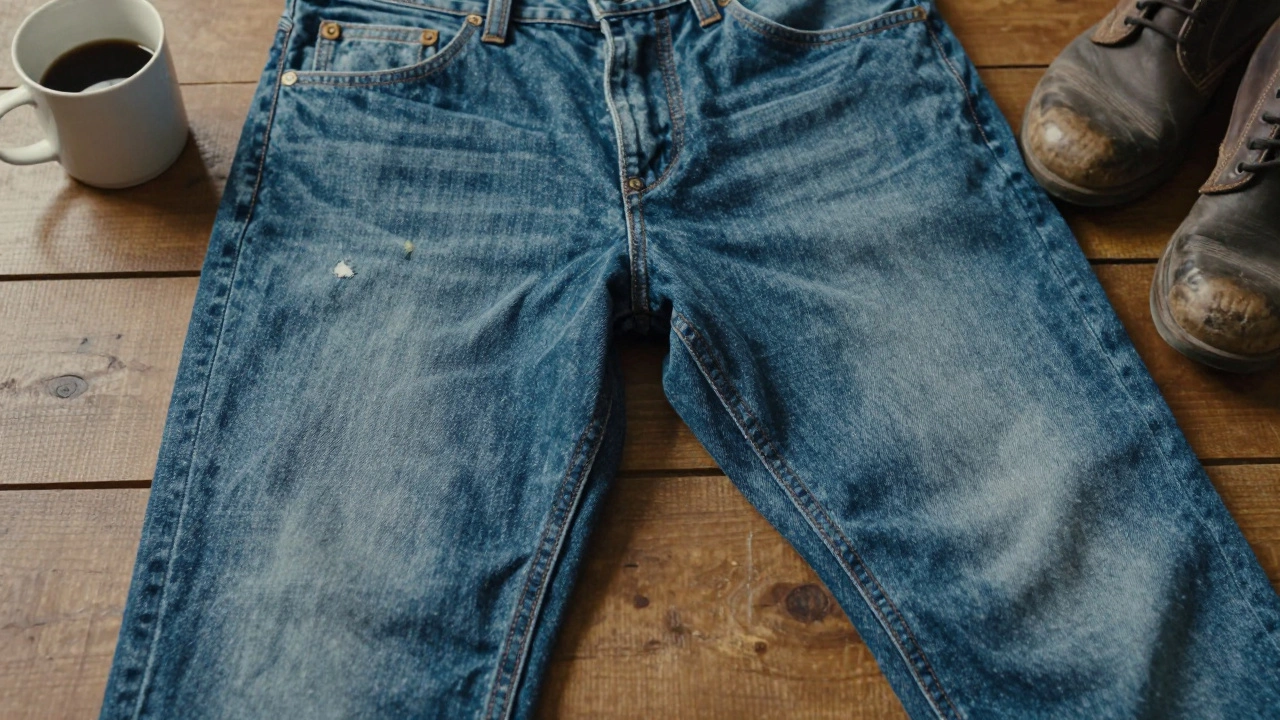
Look closely at the fading on your favorite pair. See how the creases around the knees are lighter? That’s from walking. The dark patch on the left thigh? That’s where you leaned against your car door for years. The tiny tear near the right pocket? That’s from when you grabbed your phone too fast and caught it on a fence. These aren’t flaws. They’re records. Every pair of worn-in jeans holds a timeline of your life. You don’t need a photo album when you’ve got your jeans. They’re your personal archive.
They’re More Comfortable Than Anything New
Think about how you feel in new clothes. You’re aware of them. You shift. You adjust. You wonder if people notice the tag. Old jeans? You forget they’re there. The fabric softens. The waistband stops pinching. The pockets don’t pull. The inseam doesn’t chafe. It’s like wearing nothing at all-except you’re still covered. That’s the magic. A 2024 study from the University of Toronto’s Textile Comfort Lab found that denim worn for over six months showed a 40% increase in perceived comfort compared to new denim. The reason? It’s not just softness. It’s familiarity. Your body has learned how to move in them. Your nervous system has relaxed around them. That’s not fashion. That’s biology.
They’re Environmentally Smarter
Fast fashion jeans use 2,700 liters of water to make one pair. That’s enough for one person to drink for 2.5 years. They’re dyed with toxic chemicals. They’re shipped halfway across the world. Then they’re thrown away after a few months. Old jeans? They don’t need new water. They don’t need new dyes. They don’t need new shipping. You’re already wearing them. You’re not buying new. You’re not contributing to landfill waste. A 2023 report from the Ellen MacArthur Foundation found that extending the life of a pair of jeans by just nine months reduces its carbon footprint by 30%. That’s not a trend. That’s responsibility.
They Don’t Need to Be Perfect
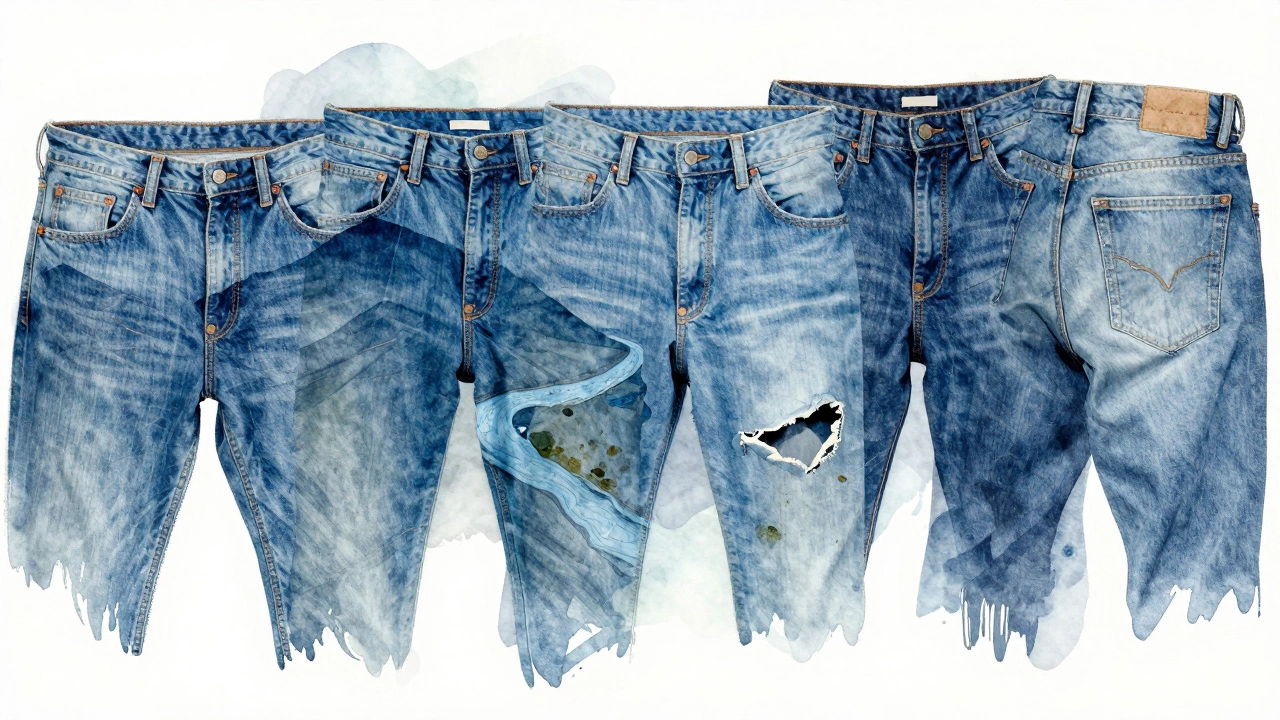
Society tells you jeans should look brand new. Clean. Sharp. No rips. No fading. But that’s not how real life works. Old jeans don’t care. They don’t need to be Instagram-perfect. They’re not trying to impress anyone. They’re just there. And that’s the point. When you stop chasing perfection, you stop wasting money. You stop feeling guilty when you spill coffee on them. You stop worrying about a small tear. You start enjoying them. That’s freedom. That’s the real luxury.
They’re the Only Thing That Gets Better With Age
Think about everything else you own. Your phone slows down. Your car starts making noises. Your mattress sags. Your coffee mug chips. But jeans? They improve. They get softer. They fit better. They look more authentic. They become more valuable-not because they’re rare, but because they’re yours. You can’t buy this. You can’t rush it. You can’t fake it. You have to live it. That’s why people keep old jeans. Not because they’re cheap. Not because they’re cool. But because they’re true.
Why do old jeans feel more comfortable than new ones?
Old jeans feel more comfortable because the denim fibers soften over time from repeated wear and washing. The fabric stretches to match your body’s shape, especially around the hips, knees, and thighs. The waistband loses its stiffness, and the seams stop digging in. Unlike new jeans, which are rigid and require a break-in period, old jeans become part of your movement-so you stop noticing you’re wearing them at all.
Are old jeans more durable than new jeans?
Yes, often. Many old jeans were made with heavier cotton (14-16 oz), tighter weaves, and stronger stitching-especially from brands like Levi’s, Wrangler, or Japanese selvedge producers. Modern fast-fashion jeans use lighter fabric (8-10 oz) and cheaper construction to cut costs. That’s why a 20-year-old pair of jeans might still have intact seams and original buttons, while a new pair from a discount store falls apart after a few washes.
Is it better for the environment to keep old jeans?
Absolutely. Making one pair of new jeans uses about 2,700 liters of water and releases toxic dyes into waterways. The carbon footprint of producing, shipping, and disposing of jeans is massive. Keeping and repairing old jeans reduces demand for new ones. Extending a pair’s life by just nine months cuts its environmental impact by 30%, according to the Ellen MacArthur Foundation. Repairing, re-wearing, and reselling denim is one of the simplest ways to reduce fashion waste.
Can you make new jeans feel like old ones?
You can try, but you can’t truly replicate it. Some people soak new jeans in saltwater or wear them in the bath to speed up softening. Others use sandpaper or washing machines to fade them. But none of this mimics the natural wear that comes from real-life movement over months or years. The unique fading, creasing, and stretching that happens from walking, sitting, and bending can’t be forced. That’s why the character of old jeans is irreplaceable.
Should I stop buying new jeans altogether?
Not necessarily-but be more intentional. If your current jeans are still functional, repair them. Patch the knees. Replace the buttons. Wash them less. When you do need new ones, choose high-quality, heavyweight denim from brands that prioritize durability. Buy less, but buy better. The goal isn’t to avoid new jeans-it’s to stop treating them as disposable.
What to Do With Your Old Jeans
Don’t just keep them in the back of your closet. Wear them. Live in them. Let them fade. Patch them if they tear. Don’t throw them out just because they’re not “perfect.” If they’re still wearable, they’re still useful. You can also donate them to thrift stores, sell them online, or even turn them into cleaning rags. But the best use? Keep wearing them. They’ve earned it.