People often use the words jacket and
Length Matters
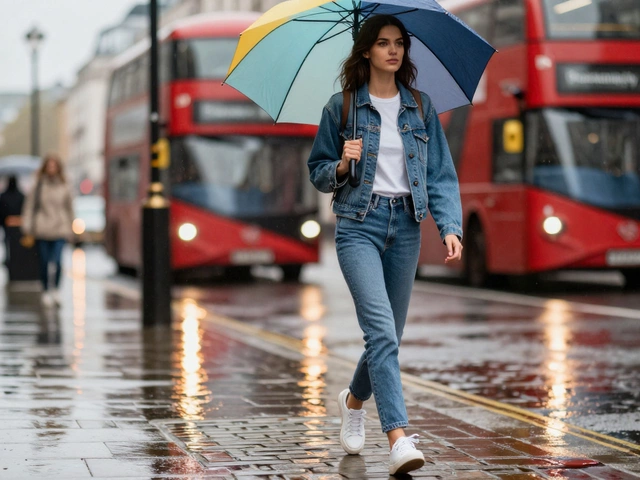
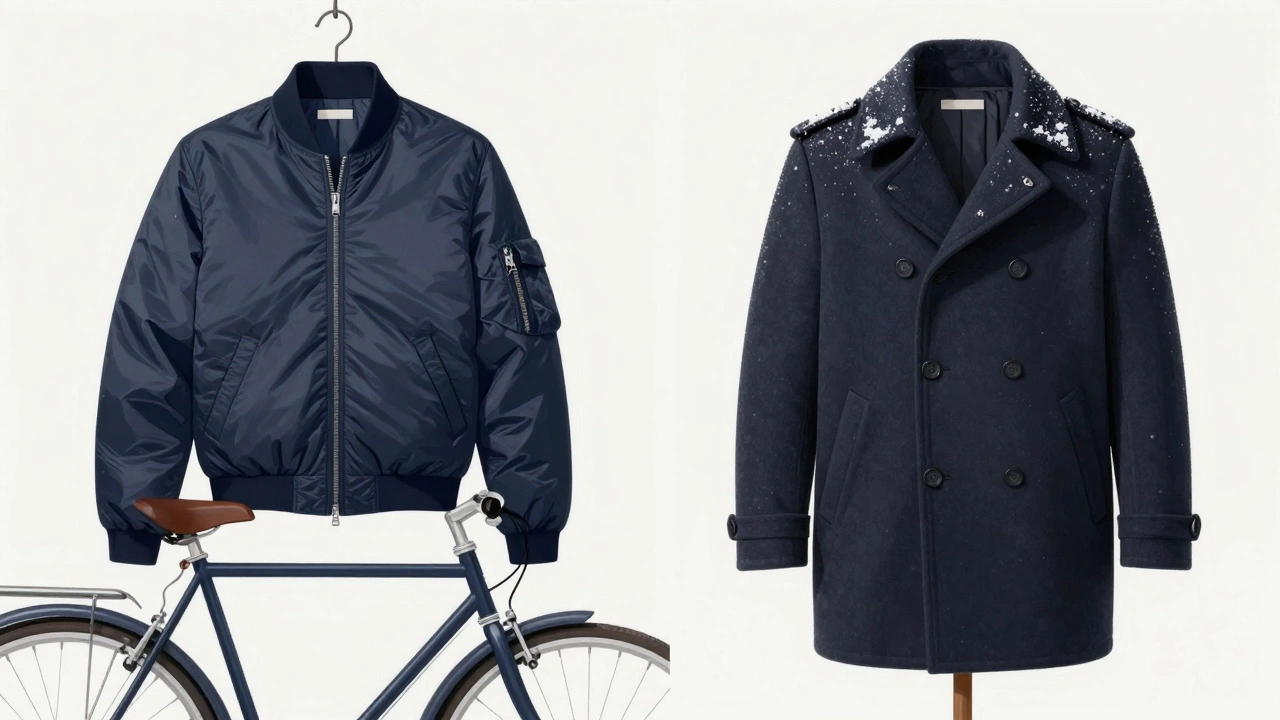
A jacket is typically shorter, ending around the waist or just below it. Think of a denim jacket, a bomber, or a windbreaker. These are designed to be worn over a shirt or sweater without adding bulk. They’re meant for mild weather or as a layer under something heavier.
A coat, on the other hand, is longer. Most coats reach at least to the hips, and many go down to the thighs or even the knees. A wool overcoat, a trench coat, or a parka all fall into this category. Their extra length helps protect your legs and lower back from wind, rain, and snow.
If you’re walking to work in Toronto in January, you don’t want a waist-length jacket. You need something that covers your coat, and that’s where a proper coat comes in.
Warmth and Insulation
Jackets are usually lighter. They might have a thin lining, or none at all. Many are made for breathability-like a running jacket with mesh panels or a lightweight nylon shell. They’re great for layering. You can wear one over a hoodie on a chilly spring day and still move freely.
Coats are built for cold. They often have thick insulation: down, synthetic fill, wool, or fleece. A parka might have 200 grams of insulation. A pea coat is made from heavy wool that blocks wind. You don’t layer a coat over another coat-you wear a sweater underneath it.
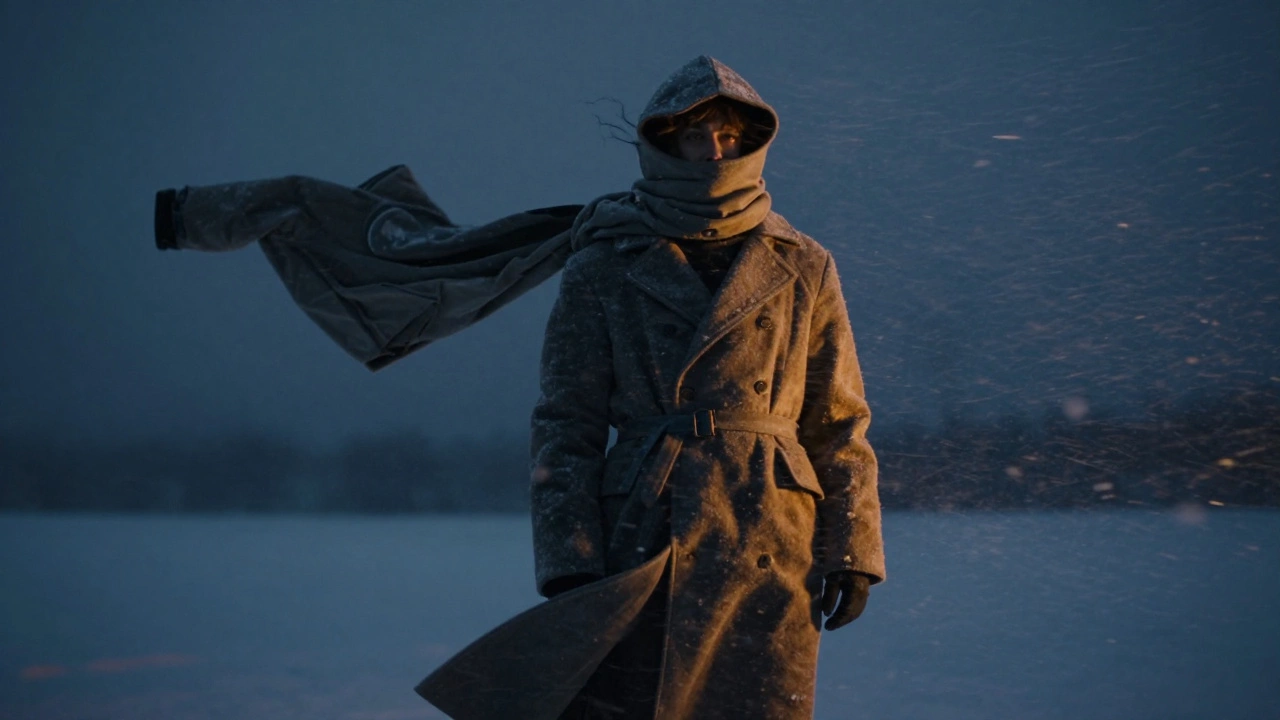
That’s why you’ll see people in Toronto wearing a light jacket on a 5°C day, but switching to a long wool coat when the temperature drops below -10°C. It’s not about fashion. It’s about survival.
When You Wear Each One
Jackets are for transitional weather. Spring, fall, or even mild winter days. They’re casual. You wear them to the grocery store, on a bike ride, or to a weekend barbecue. They’re easy to throw on and take off.
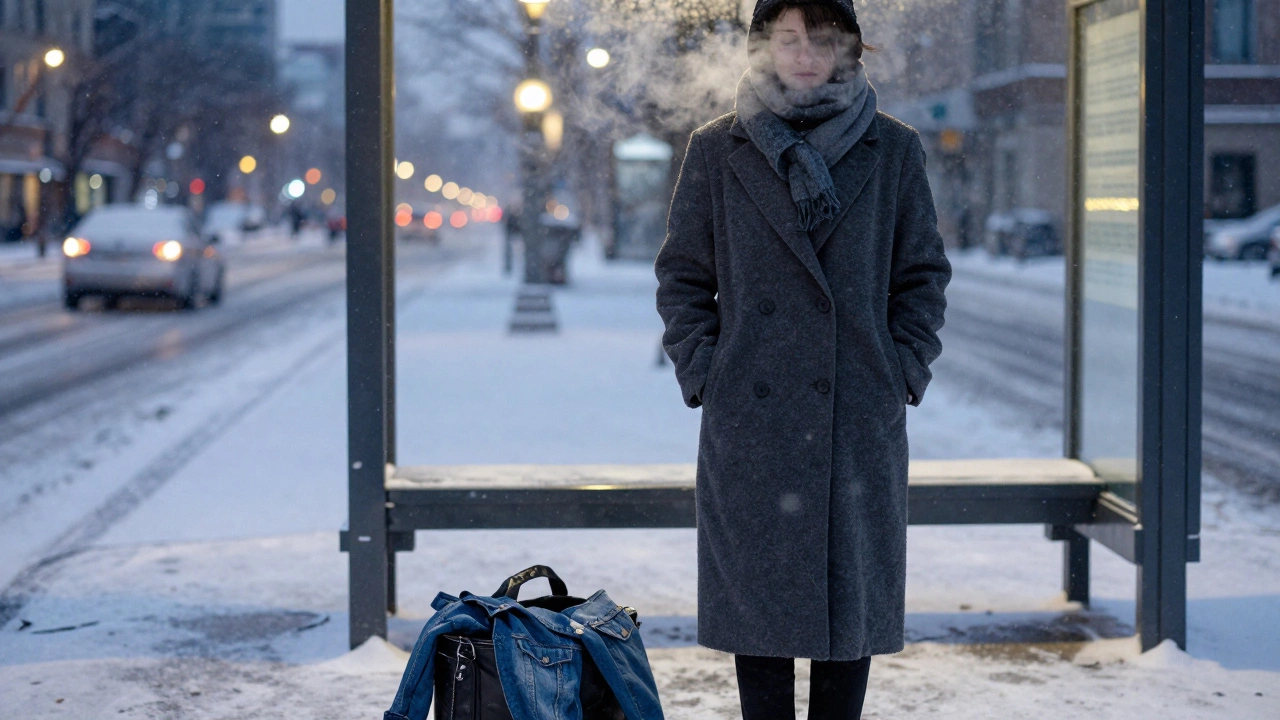
Coats are for serious cold. They’re worn when you’re outside for more than 10 minutes and the air bites. They’re common in winter commutes, snow shoveling, or standing at a bus stop in sub-zero weather. They’re also more formal. A tailored wool coat pairs well with a suit. A denim jacket doesn’t.
There’s a reason you don’t see people wearing a light windbreaker to a winter wedding. That’s not a fashion choice-it’s a temperature mistake.
Structure and Fit
Jackets are often fitted or relaxed, but rarely structured. They’re designed to move with you. A leather jacket might have zippers and pockets, but it’s not meant to hold shape. A hoodie jacket? Still a jacket.
Coats are structured. They often have shoulder pads, darts, or a defined waistline. A trench coat has a belt to cinch it. A peacoat has double-breasted buttons and a stiff collar. This structure isn’t just for looks-it helps the coat hang properly and keep heat in.
Try this test: if you can’t stand still in it without it collapsing around you, it’s probably a jacket. If it holds its shape like armor against the cold, it’s a coat.
Materials Tell the Story
Jackets are made from lighter fabrics: cotton, nylon, polyester, denim, or thin leather. They’re often water-resistant, not waterproof. A rain jacket sheds light drizzle. It won’t keep you dry in a downpour for an hour.
Coats use heavier, more durable materials: wool, tweed, thick canvas, or coated nylon. Many have a lining made of satin or fleece to trap heat. Some even have removable liners for versatility.
Look at the tags. If it says “100% polyester shell,” it’s likely a jacket. If it says “80% wool, 20% nylon, with quilted lining,” you’re holding a coat.
What About Parkas and Blazers?
Yes, this gets messy. A parka is long and insulated-so it’s a coat. A blazer is tailored and usually waist-length-but it’s not a jacket in the casual sense. It’s a formal outer layer, often worn as part of a suit. So technically, it’s a type of coat, but nobody calls it that.
Here’s the simple rule: if it’s designed for warmth and protection in harsh weather, it’s a coat. If it’s for style, light coverage, or layering, it’s a jacket.
Even fashion brands blur the lines sometimes. You’ll see a “long jacket” that goes past the hips. But if it has no insulation, no windproofing, and no heavy lining, it’s still a jacket. It’s just a long one.
How to Choose
Ask yourself three questions:
- Will I be outside for more than 15 minutes in cold or wet weather?
- Do I need this to keep me warm, or just to look nice?
- Will I be wearing it over a sweater or a coat?
If you answered yes to the first two, get a coat. If you answered yes to the third, you probably need a jacket.
In Toronto, you’ll want both. A lightweight jacket for fall and early spring. A heavy coat for December through February. One isn’t better than the other-they serve different jobs.
Common Mistakes
Wearing a thin jacket in freezing weather. People do this all the time. They think, “It’s just a quick walk.” But wind chill turns a 5-minute trip into a shivering nightmare. Your core temperature drops faster than you think.
Wearing a coat indoors. That’s fine if you’re in a cold office, but if you’re walking into a warm cafe, you’ll be sweating. Jackets are easier to take off. Coats? Not so much.
Buying a long jacket and calling it a coat. If it’s made of cotton and has no insulation, it won’t keep you warm. You’re paying for length, not function.
Final Take
Think of a jacket as your go-to layer. A coat is your armor. One is for comfort. The other is for endurance.
Don’t let marketing fool you. A “winter jacket” with a 30% down fill and a 28-inch length? Still a jacket. A 40-inch wool coat with a removable liner? That’s a coat.
Next time you’re shopping, check the length, the lining, and the material. Not the label. That’s how you know what you’re really buying.