Sportswear Fabric Selector
Choose Your Activity
Recommended Fabric Blend
- Moisture Wicking: High
- Temperature Control: High
- Compression: Moderate
- Durability: High
Sportswear isn't just gym clothes you grab before heading out. It's engineered gear designed to move with your body, not against it. If you’ve ever felt restricted during a run, soaked through after a workout, or had your shorts ride up when you squat - you’ve experienced what bad sportswear feels like. Good sportswear fixes those problems on purpose.
What Exactly Is Sportswear?
Sportswear is clothing made specifically for physical activity. It includes items like running tights, moisture-wicking tops, compression shorts, sports bras, and breathable hoodies. Unlike regular clothes, sportswear is built around movement, sweat, and performance. It’s not about looking stylish (though many brands now do both), but about helping you perform better, stay comfortable, and recover faster.
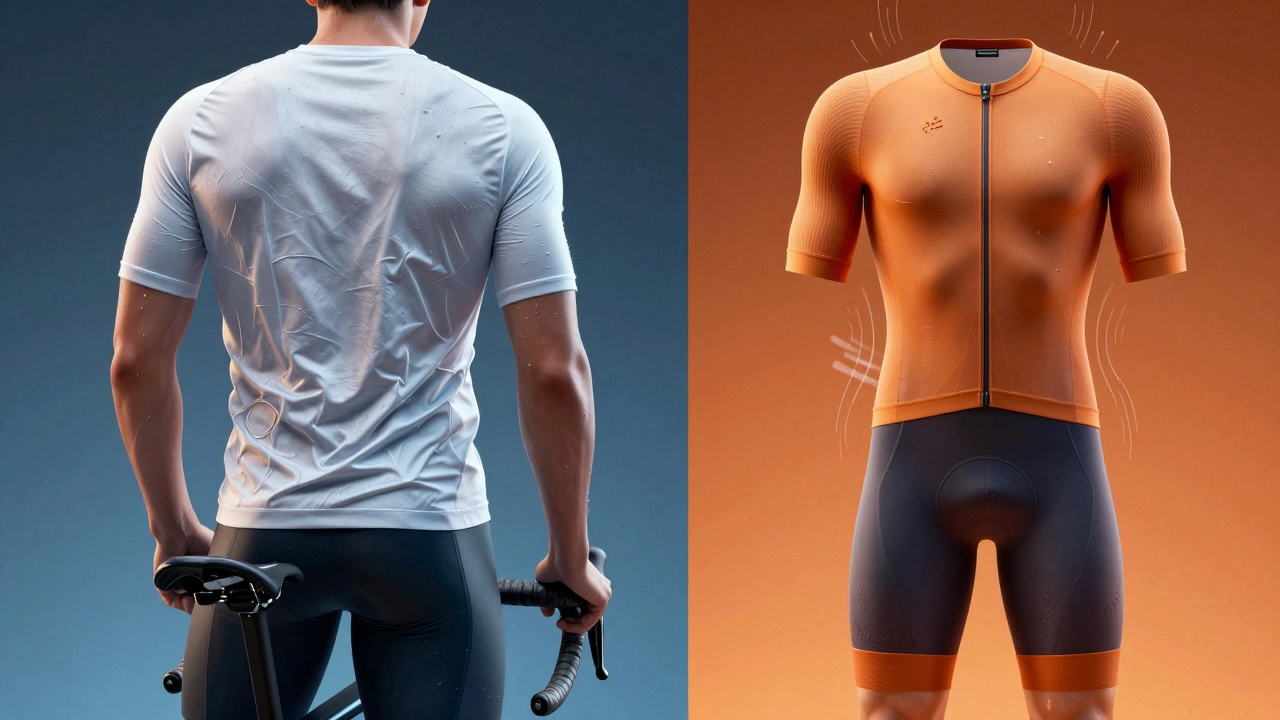
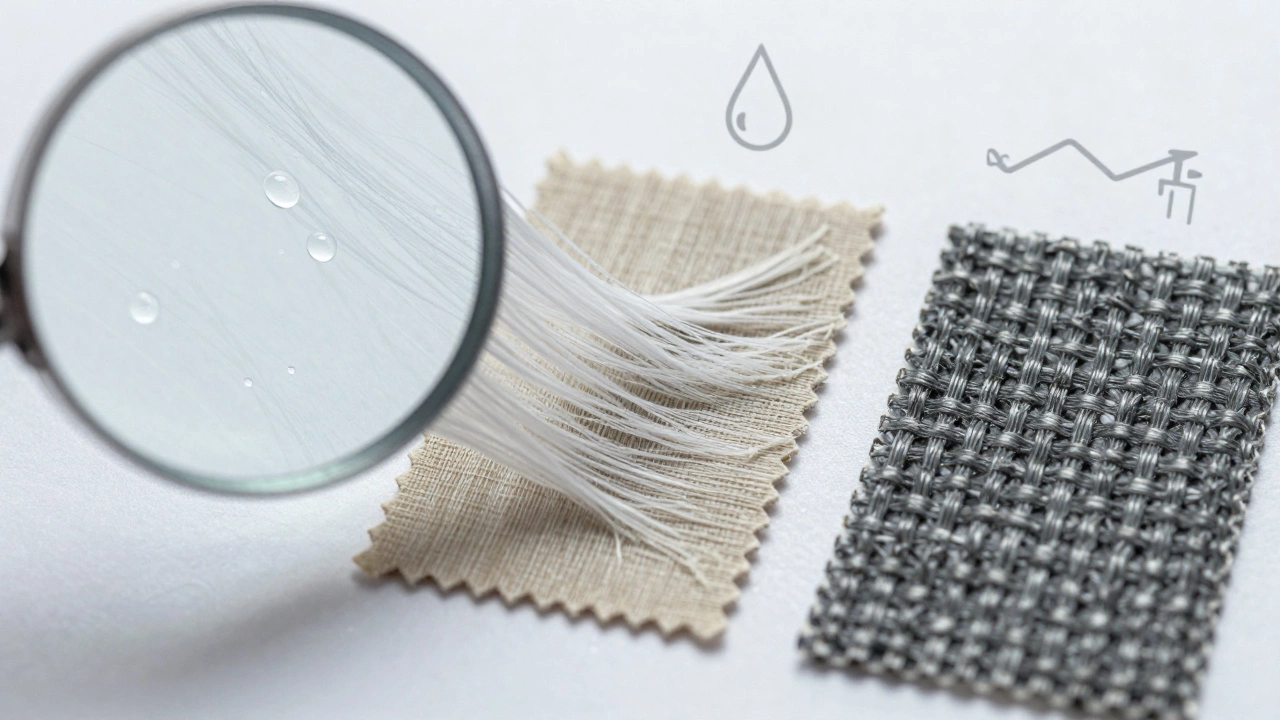
Think of it this way: a cotton T-shirt absorbs sweat and clings to your skin. A sportswear top made from polyester or nylon blends pushes sweat away from your body, dries fast, and lets air flow. That’s not magic - it’s science.
Why Sportswear Works Better Than Regular Clothes
Regular fabrics like cotton might feel soft, but they’re terrible for exercise. Cotton holds onto moisture. After 10 minutes of jogging, you’re stuck in a damp shirt that weighs extra and chafes. Sportswear solves this with performance fabric.
Modern sportswear uses synthetic fibers like:
- Polyester - lightweight, dries fast, resists odor
- Nylon - strong, flexible, great for compression
- Spandex (Lycra) - adds stretch so you move freely
- Merino wool - naturally odor-resistant, regulates temperature
- Recycled polyester - eco-friendly, made from plastic bottles
These materials aren’t chosen by accident. Brands test them in labs for moisture transport, breathability, and durability. For example, Nike’s Dri-FIT and Adidas’ Climalite aren’t just marketing terms - they’re patented fabric technologies backed by real data.
The Core Functions of Sportswear
Good sportswear does four things well:
- Moisture management - pulls sweat away from skin to the outer layer where it evaporates
- Temperature regulation - keeps you warm in cold weather, cool when it’s hot
- Support and compression - reduces muscle vibration during high-impact motion, helps with circulation
- Freedom of movement - no tight seams, no bunching, no riding up
Take a running sports bra. It doesn’t just hold things in place. It uses layered fabrics, adjustable straps, and targeted support zones to reduce bounce by up to 70% compared to regular bras. That’s not a luxury - it’s injury prevention.
Sportswear vs. Activewear: What’s the Difference?
People often use “sportswear” and “activewear” interchangeably, but they’re not the same.
Sportswear is designed for actual athletic performance - think marathon runners, weightlifters, or soccer players. It’s tested under stress, sweat, and repeated washing. Brands like Under Armour, Lululemon’s Athleta line, and Decathlon focus here.
Activewear is more about lifestyle. It looks like sportswear but is meant for casual wear - yoga pants to coffee, leggings to errands. Think Gymshark, Alo Yoga, or even some Zara pieces. They prioritize style over function.
If you’re training hard, you need sportswear. If you’re just walking the dog in leggings, activewear is fine. Mixing them up can lead to discomfort, chafing, or even reduced performance.
What Makes Sportswear Different by Activity?
Not all sportswear is the same. A basketball jersey isn’t made like a swimwear suit. Each activity demands different features:
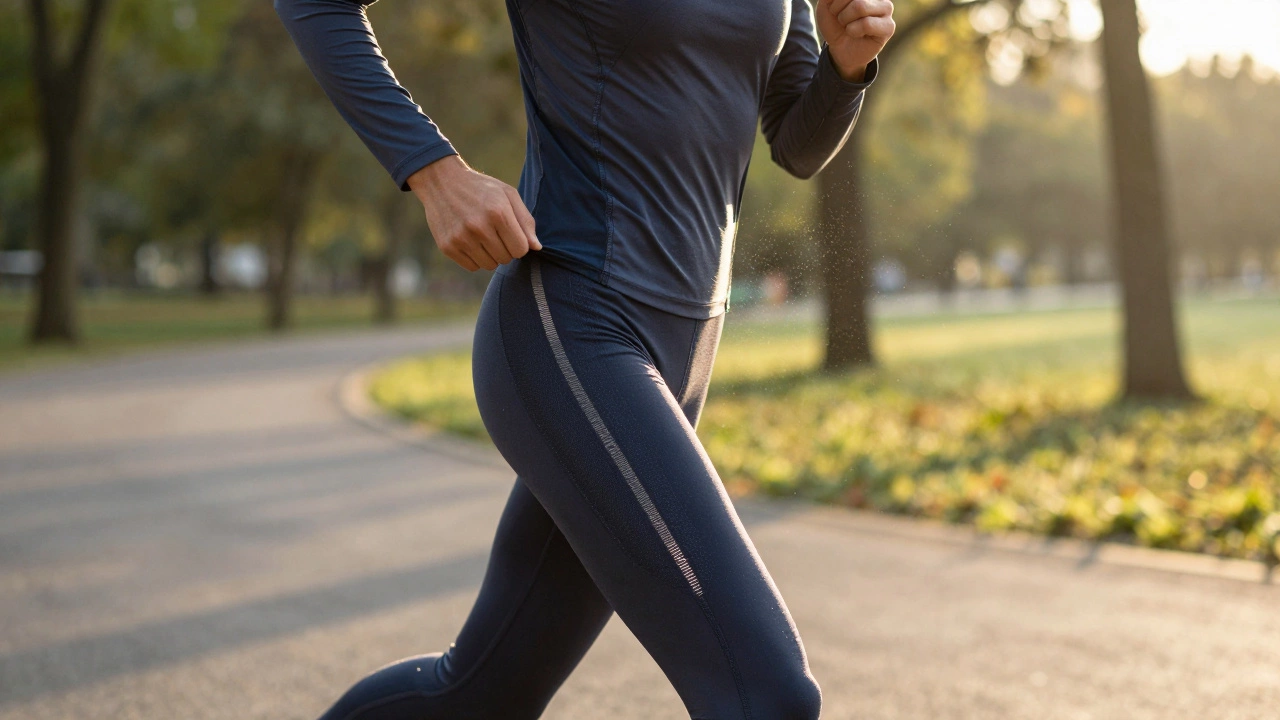
- Running - lightweight, seamless, reflective details, anti-chafe lining
- Cycling - padded shorts, aerodynamic cut, tight fit to reduce drag
- Swimming - chlorine-resistant, hydrodynamic, quick-dry, UV protection
- Weightlifting - durable fabric, reinforced seams, compression for joint support
- Yoga - four-way stretch, breathable mesh panels, non-slip waistbands
Even the stitching matters. Flatlock seams reduce friction. Gusseted crotches prevent tearing. Reflective strips aren’t decorative - they’re safety features. These details come from years of athlete feedback and biomechanical research.
How to Spot Quality Sportswear
Not every brand delivers. Here’s how to tell good sportswear from cheap imitations:
- Check the fabric blend - look for at least 80% synthetic fibers, not 100% cotton
- Feel the seams - they should be flat, not raised or rough
- Test the stretch - pull the fabric; it should snap back, not sag
- Look for labeling - brands that mention technical terms (e.g., “Dri-FIT,” “Coolmax”) usually back it up
- Check reviews - real users mention how it holds up after 20+ washes
Price isn’t always the answer. You can find solid sportswear from Decathlon for under $30, while some luxury brands charge $150 for a basic tee. What matters is function, not logo.
The Evolution of Sportswear
Sportswear didn’t always look like this. In the 1970s, athletes wore cotton T-shirts and sweatpants. The shift began in the 1980s when Nike introduced Dri-FIT. By the 2000s, compression gear hit the market. Today, smart fabrics can track heart rate, regulate heat, or even change color based on body temperature.
Brands now collaborate with sports scientists and Olympic teams to refine materials. For example, the 2024 Olympic swimwear used woven polyurethane that reduced drag by 4% - enough to shave seconds off world records.
Who Needs Sportswear?
You don’t have to be an athlete to benefit. Anyone who moves regularly - whether it’s hiking, dancing, playing with kids, or doing home workouts - gains from proper sportswear. It reduces fatigue, prevents skin irritation, and makes exercise feel easier.
Even people with medical conditions like lymphedema or joint instability use compression sportswear as part of daily care. It’s not just for the gym.
Common Mistakes People Make
- Wearing cotton to sweat - it traps moisture and causes chafing
- Buying the wrong size - too tight restricts movement, too loose causes friction
- Ignoring care instructions - washing in hot water or using fabric softener breaks down performance fibers
- Using one pair of leggings for everything - yoga leggings aren’t built for running
One of the biggest errors? Thinking sportswear is only for intense workouts. Even light movement benefits from moisture control and support.
Where to Start
If you’re new to sportswear, start with one key item: a moisture-wicking top and a pair of compression shorts or leggings. Test them during a 30-minute walk or workout. Notice how your skin feels - dry? Chafed? Heavy? That’s your baseline.
Then, build from there. Don’t buy a full set. Pick one activity, get gear designed for it, and see the difference. You might be surprised how much better your workout feels.
Is sportswear the same as activewear?
No. Sportswear is engineered for high-performance activities like running, lifting, or cycling. It uses technical fabrics and construction to handle sweat, movement, and repeated stress. Activewear is designed for casual wear - it looks like sportswear but prioritizes style over function. You can wear activewear to coffee, but sportswear is built to keep up with a 10K run.
Can I wear cotton for working out?
You can, but you shouldn’t. Cotton absorbs sweat and stays wet, which leads to chafing, discomfort, and even skin irritation. It also gets heavy, making movement harder. Sportswear fabrics like polyester and nylon pull sweat away from your skin and dry quickly. For anything more than a casual stroll, cotton is a step backward.
Does sportswear really make a difference in performance?
Yes - especially over time. Compression gear reduces muscle vibration, which lowers fatigue. Moisture-wicking fabric keeps you dry, so you don’t get distracted by wet clothing. Supportive designs prevent injury. A 2023 study from the University of Toronto showed athletes using proper sportswear reported 22% less discomfort and 14% better endurance during training sessions compared to those in regular clothes.
How long does sportswear last?
Quality sportswear lasts 2-3 years with regular use, assuming you wash it properly. Cold water, gentle cycle, no fabric softener. Cheap imitations may start pilling or losing stretch after 5-6 washes. Look for reinforced seams and high thread count - those are signs of durability. Brands like Lululemon and Under Armour back their gear with warranties for a reason.
Is expensive sportswear worth it?
Not always. Some premium brands charge for branding, not technology. You can find excellent sportswear from Decathlon, Uniqlo, or Amazon Basics that use the same performance fabrics as top brands - for half the price. Focus on fabric content (polyester, nylon, spandex), seam quality, and user reviews. If it performs well after 10 washes, it’s worth it - regardless of the label.