Fashion Sportswear Checker
Is this item true fashion sportswear?
Results
Why it matters: Fashion sportswear blends performance with intentional design - it's not just workout gear but a style statement for everyday life.
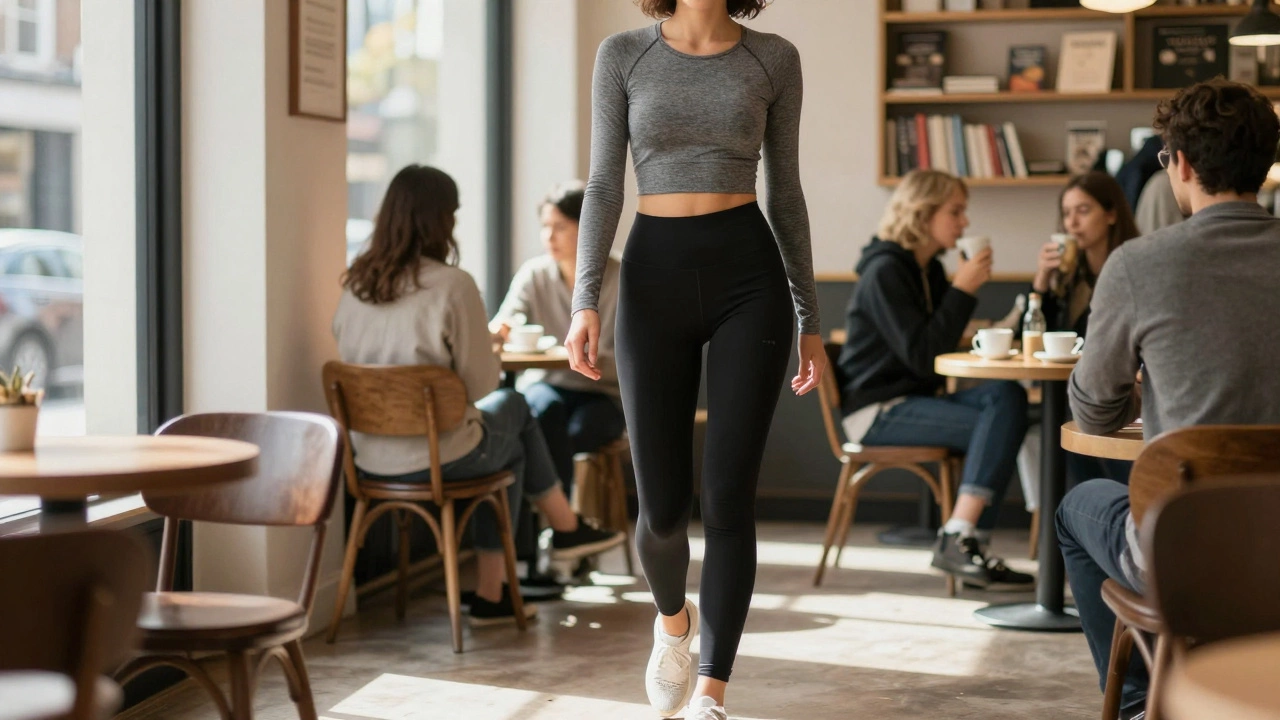
When you see someone in leggings, a cropped hoodie, and chunky sneakers walking into a coffee shop, you’re not seeing just workout gear-you’re seeing fashion sportswear. It’s the line between gym and street, performance and personality. But what exactly counts as fashion sportswear? It’s not just anything with elastic waistbands or moisture-wicking fabric. There’s a design language, a history, and a set of expectations that separate true fashion sportswear from plain athletic clothing.
It’s Not Just Activewear
People often use "activewear" and "fashion sportswear" interchangeably, but they’re not the same. Activewear is built for movement: breathable, stretchy, sweat-resistant. Fashion sportswear takes those same materials and turns them into something that looks intentional, stylish, and designed for life beyond the treadmill.Think of the difference between a basic polyester running short and a pair of high-waisted, seamless leggings from a brand like Lululemon or Aritzia. The latter might have the same technical fabric, but it also has clean lines, subtle branding, color-blocking, or tailored seams that make it look good on a city sidewalk, not just in a spin class.
That’s the key: fashion sportswear is engineered for both function and form. It doesn’t scream "I’m working out." It whispers, "I care about how I look, even when I’m being active."
History Behind the Blend
Fashion sportswear didn’t appear overnight. It started in the 1980s with aerobics culture-leggings, headbands, and neon colors. But it wasn’t until the 2010s, with the rise of yoga, fitness influencers, and streetwear, that the line between gym and lifestyle blurred for good.Brands like Nike, Adidas, and Puma began collaborating with high-end designers. Virgil Abloh’s Off-White x Nike collabs turned running shoes into collectibles. Lululemon went from a niche yoga brand to a $30 billion company because people started wearing their leggings to work, brunch, and even interviews.
The shift wasn’t just about clothing-it was about identity. People wanted clothes that reflected an active, healthy lifestyle without needing to change outfits after the gym. Fashion sportswear became a uniform for a new kind of urban living.
What Makes It "Fashion"?
To qualify as fashion sportswear, a piece needs to pass three tests:- Design intention: It’s made to be seen, not just worn. Details like tonal stitching, hidden zippers, or laser-cut ventilation aren’t just functional-they’re aesthetic.
- Material quality: It uses premium technical fabrics, not cheap polyester blends. Think recycled nylon, buttery-soft TENCEL™ blends, or moisture-managing merino wool.
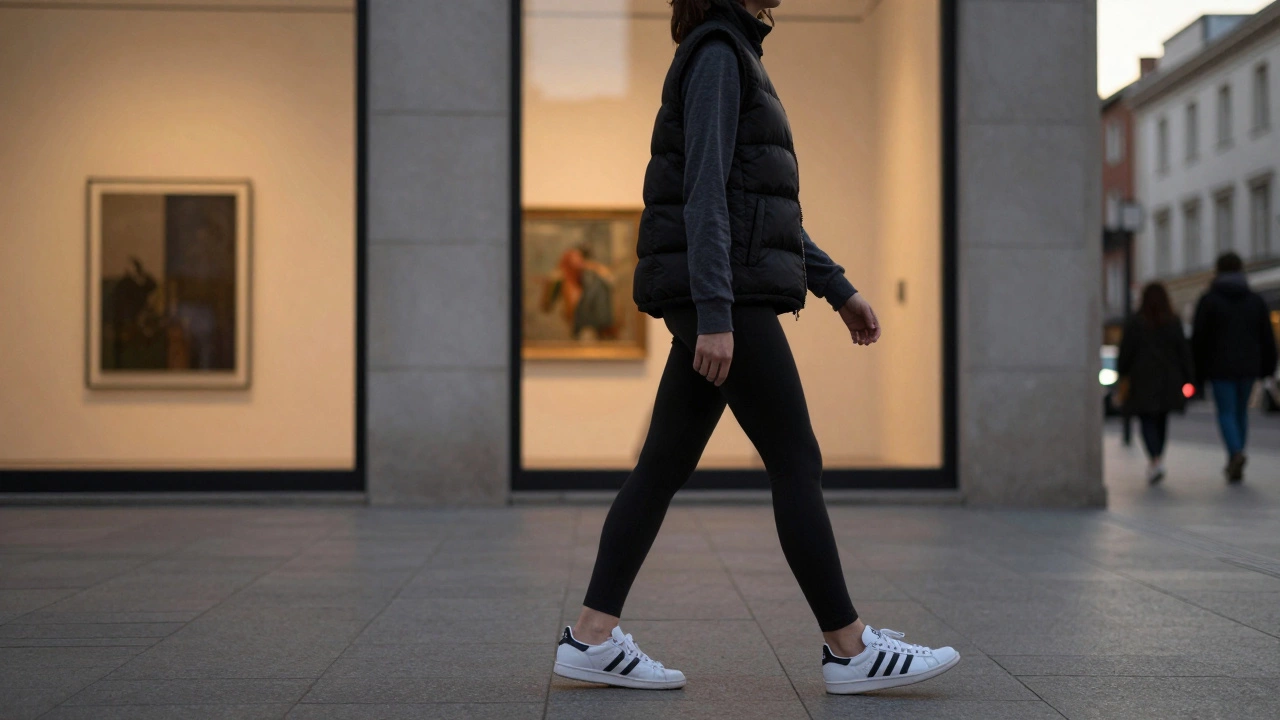
- Styling versatility: You can wear it to a meeting, a museum, or a dinner date without looking out of place. No logos on the chest, no mesh panels in the wrong places.
For example, a basic cotton T-shirt with a logo is just a tee. But a fitted, long-sleeve performance top in a muted heather gray with flatlock seams and a hidden thumbhole? That’s fashion sportswear.
Key Pieces That Define the Category
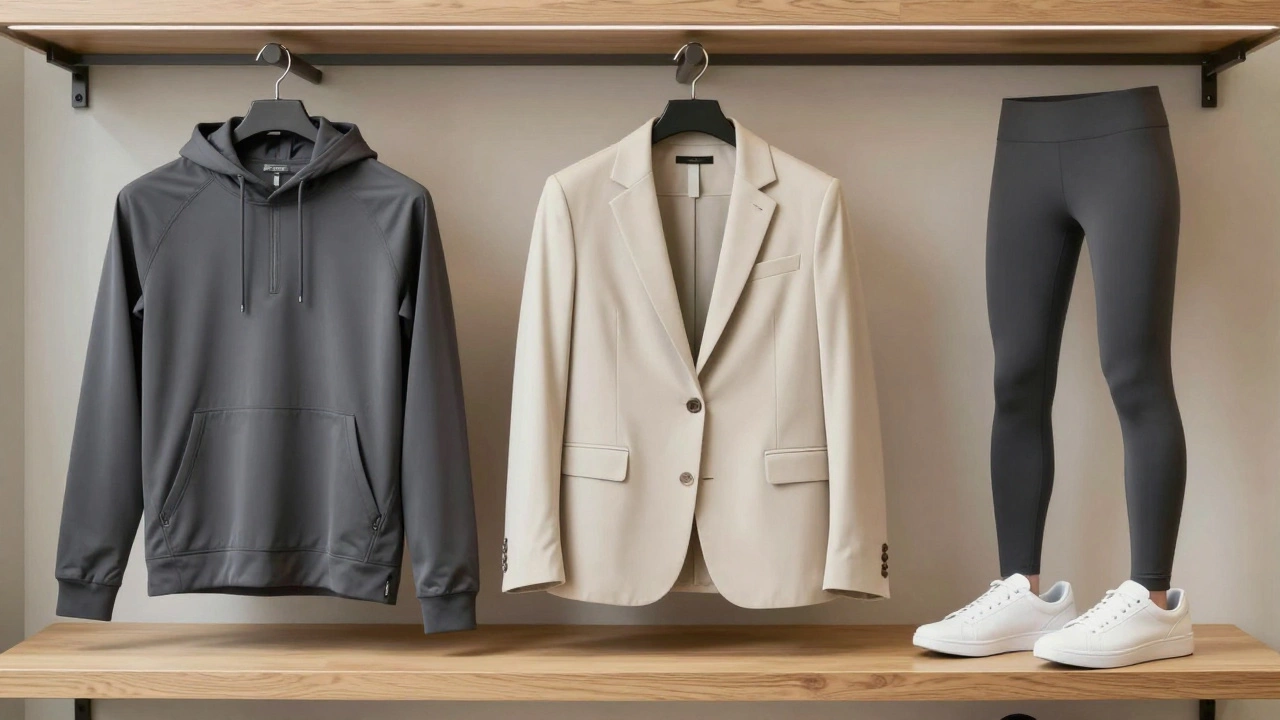
There are a few staples that almost everyone agrees belong in fashion sportswear:- Seamless leggings: High-rise, no visible seams, squat-proof. Brands like Girlfriend Collective and Alo Yoga set the standard.
- Performance blazers: Lightweight, stretchy, and structured enough to wear over a tank top. Perfect for hybrid workdays.
- Technical hoodies: Not the thick, fleece kind. Think lightweight, water-repellent, with hidden pockets and thumbholes.
- Minimalist sneakers: White leather or knit uppers, no giant logos. Think New Balance 550, Adidas Stan Smith, or On Cloudace.
- Performance vests: Sleeveless, breathable, with a tailored fit. Often worn over tanks or long-sleeve tees.
These pieces don’t look like they came from a sports store. They look like they were designed by someone who understands both movement and modern style.
What Doesn’t Count
Not everything labeled "athleisure" makes the cut. Here’s what’s out:- Baggy sweatpants with drawstrings that drag on the ground
- Fluorescent neon tank tops with giant logos
- Old, faded gym shorts with visible pilling
- Plastic-looking track suits from discount stores
- Running shoes with oversized soles meant only for the treadmill
These items are still functional for workouts, but they don’t pass the fashion test. They look like they were bought for one purpose and worn everywhere else by accident.
How to Spot Real Fashion Sportswear
If you’re shopping and want to know if something counts, ask yourself:- Would I wear this to a gallery opening or a business lunch?
- Is the fabric soft, breathable, and does it hold its shape after washing?
- Is the branding subtle or absent?
- Does it have thoughtful details-like hidden phone pockets or reinforced knees?
- Would someone compliment it without knowing it’s sportswear?
If you answer "yes" to most of those, you’ve got fashion sportswear.
Why It Matters Now
In 2026, fashion sportswear isn’t a trend-it’s a category. It accounts for over 40% of global apparel sales growth, according to McKinsey’s 2025 retail report. People aren’t just buying clothes for exercise anymore. They’re buying clothes that reflect a lifestyle: one that values movement, comfort, and quiet confidence.It’s also more sustainable. Many fashion sportswear brands use recycled materials, offer repair programs, and design for longevity. A $120 pair of leggings that lasts five years is better than three $30 pairs that pill after six washes.
Where to Start
If you’re new to fashion sportswear, start with one piece: a pair of seamless leggings or a lightweight performance hoodie. Pair it with a simple tee and clean sneakers. Don’t overdo it. The goal isn’t to look like you’re heading to a photoshoot-it’s to look like you’ve got your life together, whether you’re walking the dog or catching a flight.Try brands like Everlane, Cuyana, or Uniqlo’s Heattech line if you want affordable entry points. If you’re investing, consider Arc’teryx, Lululemon, or Nike’s Nike One line. They all focus on design, not just performance.
Final Thought
Fashion sportswear isn’t about pretending you’re an athlete. It’s about choosing clothes that move with you-literally and stylistically. It’s the quiet rebellion against uncomfortable, stiff, or outdated styles. It’s comfort without compromise. And in 2026, that’s not just practical-it’s powerful.Is athleisure the same as fashion sportswear?
Athleisure is a broader term that includes any clothing worn for both athletic and casual use. Fashion sportswear is a subset of athleisure-it’s the high-quality, design-forward end of the spectrum. Not all athleisure is fashion sportswear, but all fashion sportswear is athleisure.
Can I wear fashion sportswear to the office?
Yes, if your workplace allows casual or business-casual attire. A tailored performance blazer, fitted leggings, and clean sneakers work in many modern offices. Avoid overly technical pieces like mesh panels or bright colors unless your culture embraces it.
Are designer brands the only ones that make fashion sportswear?
No. While brands like Lululemon and Nike lead the market, companies like Uniqlo, Everlane, and Aritzia offer excellent options at lower price points. What matters is the design, fabric quality, and versatility-not the logo.
Do I need to buy expensive pieces to look good in fashion sportswear?
Not necessarily. You can build a strong foundation with a few key items. Look for sales, secondhand markets, or entry-level lines from reputable brands. A $60 pair of well-made leggings will outlast three $30 ones that lose their shape.
Why do some fashion sportswear pieces cost so much?
They use advanced, often sustainable fabrics that cost more to produce. The construction is precise-flatlock seams, bonded hems, ergonomic patterning-all designed to last. You’re paying for durability, comfort, and design, not just a logo.