Dress Fit & Attractiveness Calculator
Stop worrying about the tag number. Research suggests that a waist-to-hip ratio (WHR) of approximately 0.7 is often perceived as most attractive due to its association with health and fertility. Use this tool to check your proportions and get personalized style tips.
Enter Your Measurements
Your Results
Enter measurements to see your analysis.
Why This Matters
- Fit > Size: Dress sizes vary wildly between brands. A size 10 in one store may be a size 6 in another.
- The 0.7 Rule: Studies suggest a WHR of ~0.7 signals health and fertility, appealing across cultures.
- Confidence Wins: Comfortable, well-fitting clothes boost confidence, which is rated higher than specific physical traits in attraction studies.
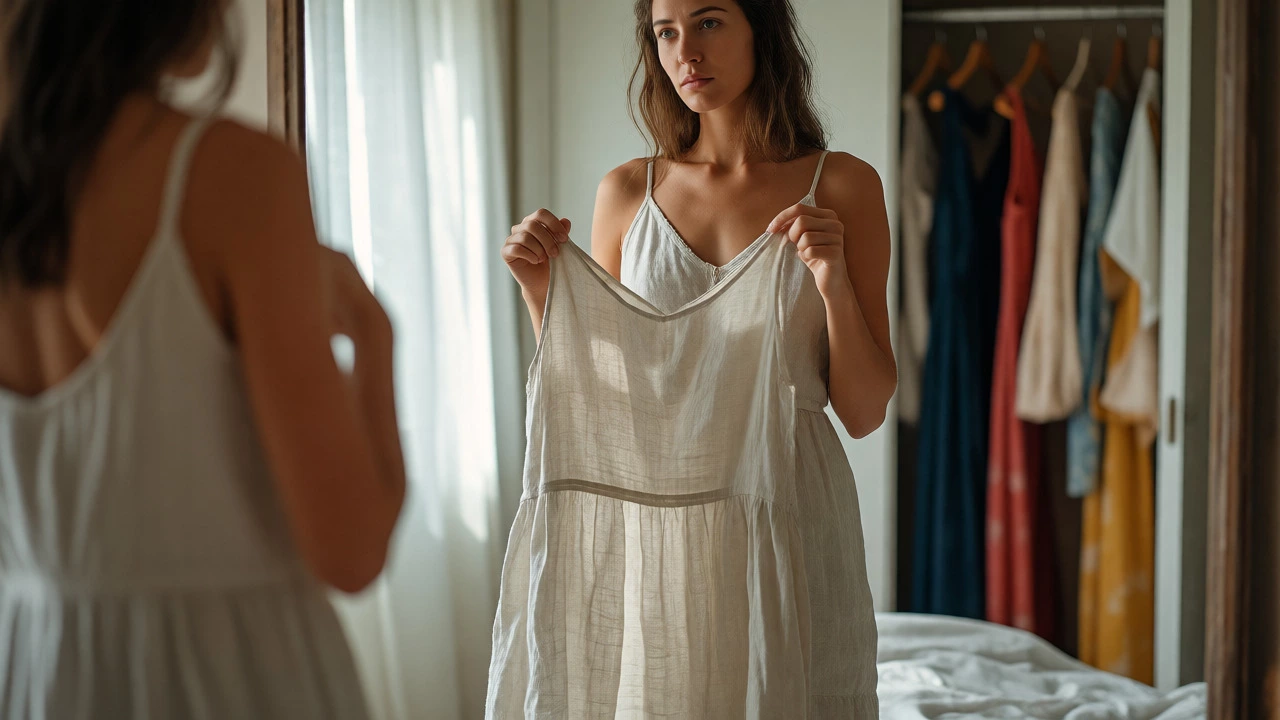
You’re standing in front of your closet, holding up a sundress. It’s cute, the fabric is breathable, and it fits perfectly. But then that nagging thought hits: Does this look good on me? Or would a different size make me more attractive?
We’ve all been there. Society tells us thin is in, but pop culture swings wildly between size zero and curvy bombshells. So, what do men actually prefer? Is there a magic number? Spoiler alert: There isn’t one universal "best" dress size. But there is a sweet spot that many surveys point to, and it’s less about the tag and more about how the clothes fit your unique shape.
The Myth of the Perfect Number
Let’s bust this right away. If you think men are walking around with a calculator checking your waist-to-hip ratio against a specific dress size like 6 or 8, you’re wrong. When researchers from the University of Texas at Austin surveyed over 100 men about their ideal partner, they didn’t ask for dress sizes. They asked about body proportions. The result? A preference for a waist-to-hip ratio (WHR) of roughly 0.7. That means your hips should be about 30% wider than your waist. This ratio signals health and fertility to the primal brain, regardless of whether you wear a size 4 or a size 16.
Dress sizes are arbitrary. A size 10 in one brand might fit like a size 6 in another. Vanity sizing has made numbers meaningless. If you buy a dress because you think "men like size 8," you might end up with something that bunches in the back or gaps at the chest. Fit always beats size.
What Surveys Actually Say About Preferences
Okay, so if size doesn’t matter, why do we keep asking? Because we want validation. Let’s look at the data. A widely cited study published in Personality and Individual Differences found that while preferences vary, a significant majority of men expressed a preference for women who were neither extremely underweight nor overweight. In terms of clothing, this often translates to dresses that skim the body rather than swallow it or squeeze it too tight.
Another survey by Match.com involving thousands of users revealed that confidence was rated higher than specific physical traits. When men were shown photos of women in dresses, those who looked comfortable and confident in their attire-regardless of the actual size tag-were rated as more attractive. The dress size became secondary to the vibe the wearer projected.
| Body Type | Common Dress Size Range | Attractiveness Factor | Best Dress Styles |
|---|---|---|---|
| Petite/Slim | Size 0-6 | Fragility & Elegance | A-line, Slip Dresses |
| Average/Medium | Size 8-12 | Balanced Proportions | Wrap Dresses, Midi Lengths |
| Curvy/Fuller | Size 14-20+ | Softness & Femininity | Empire Waist, V-Neck Maxi |
This table isn't a rulebook. It’s a snapshot of general trends. Notice how the "Attractiveness Factor" changes based on the body type, not the number. Men are attracted to harmony, not just dimensions.
Why Summer Dresses Change the Game
Since we’re talking about summer dresses, context matters. Winter coats hide everything. Summer fabrics reveal everything. This shifts the focus from "what size am I?" to "how does this fabric move?"
Lightweight materials like linen, cotton voile, and chiffon have a way of draping that can be unforgiving if the fit is off. A dress that is too large looks sloppy; one that is too small creates unflattering bulges. Men tend to notice these fit issues more than the actual size number. If your summer dress clings awkwardly to your stomach or rides up when you walk, it distracts from your natural beauty.
Think about the last time you saw someone looking effortlessly chic. Was it because they were wearing a tiny size? Probably not. It was likely because the dress moved with them. The hemline swayed, the neckline framed their face, and the sleeves didn’t dig into their arms. That effortless look is what catches the eye.
The Role of Color and Style Over Size
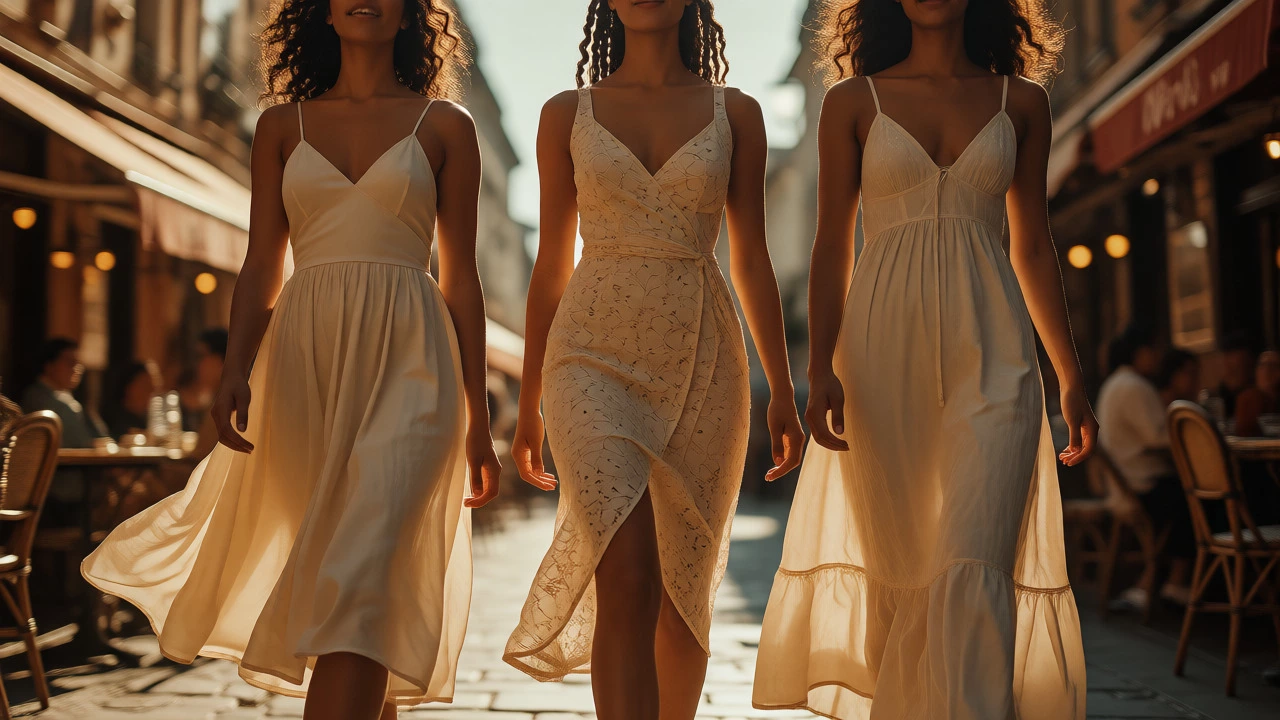
If you’re worried about your dress size, shift your energy to color and cut. Certain colors and styles create optical illusions that enhance attractiveness far more than shrinking down two sizes ever could.
- Monochrome Looks: Wearing one color from head to toe creates a long, lean line. This works for any size.
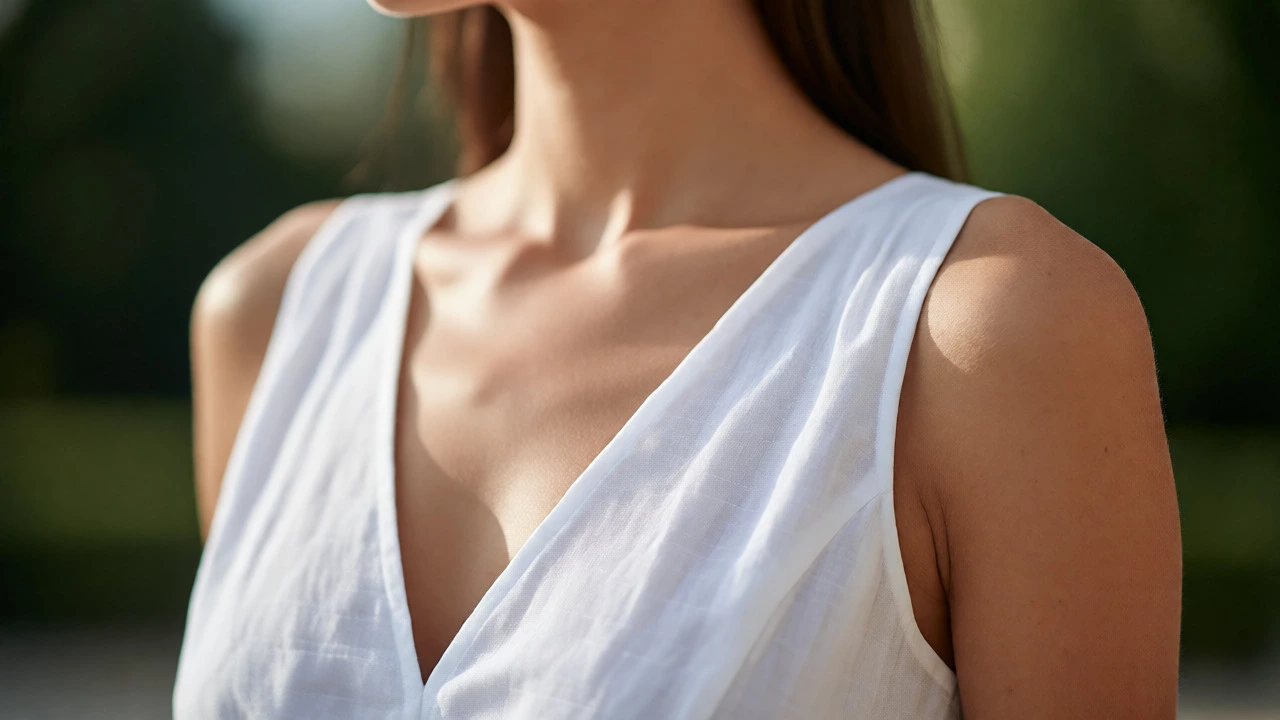
- V-Necks: These elongate the neck and draw attention upward to the face, which is where connection happens.
- Empire Waists: These sit just under the bust and flow down. They are forgiving and flattering for almost every body type, especially in hot weather.
- Dark vs. Light: Darker shades recede visually, while lighter shades expand. But don’t fear white! A well-fitted white linen dress is iconic for a reason.
When you choose a dress that complements your skin tone and highlights your favorite features, you project confidence. And let’s be honest: nothing is more attractive than a woman who knows she looks good.
Confidence is the Ultimate Accessory
Here’s the hard truth: You can wear a size 2, but if you’re constantly tugging at the hem or worrying about your midsection, you won’t look attractive. Conversely, a size 18 woman who owns her curves and smiles genuinely is magnetic.
Psychological studies show that perceived attractiveness is heavily influenced by non-verbal cues. Posture, eye contact, and smile frequency outweigh static physical measurements. When you feel good in your dress, your posture improves. Your shoulders drop, your chin lifts, and you engage more openly. Men respond to this energy.
So, stop trying to shrink yourself into a mold. Start dressing for the body you have today. If you love your legs, wear a shorter hem. If you love your waist, cinch it. If you love your shoulders, go sleeveless. Highlight what you love, and others will too.
How to Find Your Flattering Fit
Forget the tag. Here’s a practical checklist for choosing summer dresses that maximize attractiveness through fit:
- Check the Bust: No gaping, no spillage. If you need a bra, make sure it fits under the dress without creating weird lines.
- Sit Down Test: Wear the dress and sit. Does it ride up excessively? Does it pull across the thighs? If yes, it’s too small or the wrong cut.
- Arm Movement: Raise your arms. Does the dress lift too much? Can you reach for a coffee cup comfortably? Restriction equals discomfort, and discomfort reads as insecurity.
- Length Matters: For summer, midi lengths are universally flattering. They cover the knees but still allow movement. Mini dresses work great if you’re confident showing leg; maxi dresses offer elegance and sun protection.
- Fabric Feel: Touch it. Is it itchy? Does it stick to sweaty skin? Uncomfortable fabric makes you fidget, which breaks the visual appeal.
Remember, the goal isn’t to trick anyone. It’s to present your best self. When you feel physically comfortable, you relax. When you relax, you connect. That connection is where real attraction lives.
Final Thoughts: Own Your Size
There is no single dress size that men find most attractive. There is only the size that fits you best. The data points to proportion and confidence, not digits. Whether you’re a size 4 or a size 20, the key is finding a summer dress that respects your shape and lets you move freely.
Next time you shop, ignore the number on the tag. Look in the mirror. Ask yourself: "Do I feel powerful? Do I feel beautiful?" If the answer is yes, that’s the most attractive thing you can wear.
Is there a specific dress size men prefer statistically?
No single size dominates. While some older surveys suggested a preference for sizes 8-10, modern research emphasizes body proportion (like a 0.7 waist-to-hip ratio) and confidence over specific numerical sizes. Fashion brands also vary greatly in sizing, making the number unreliable.
Do men prefer skinny or curvy bodies in dresses?
Preferences vary individually, but studies suggest men generally appreciate balanced proportions. Curves are often associated with femininity and health, while slim figures are seen as elegant. The most attractive factor is usually how well the dress flatters the individual's specific shape, rather than adhering to one extreme.
How does fabric choice affect attractiveness in summer dresses?
Fabric affects how a dress drapes and moves. Breathable fabrics like linen and cotton look natural and comfortable, which enhances attractiveness. Stiff or synthetic fabrics that trap heat or cling awkwardly can detract from the overall look by causing visible sweat marks or uncomfortable silhouettes.
Should I wear a smaller size to look more attractive?
Not necessarily. Wearing a size too small can cause fit issues like gaping buttons or rolling waistbands, which signal discomfort. A properly fitting dress that skims the body typically looks more polished and attractive than one that is uncomfortably tight.
Does height influence which dress size looks best?
Height influences style choices more than size. Taller women may carry longer hems better, while petite women might benefit from higher waistlines to elongate the legs. However, the core principle remains fit and proportion, which applies to all heights.