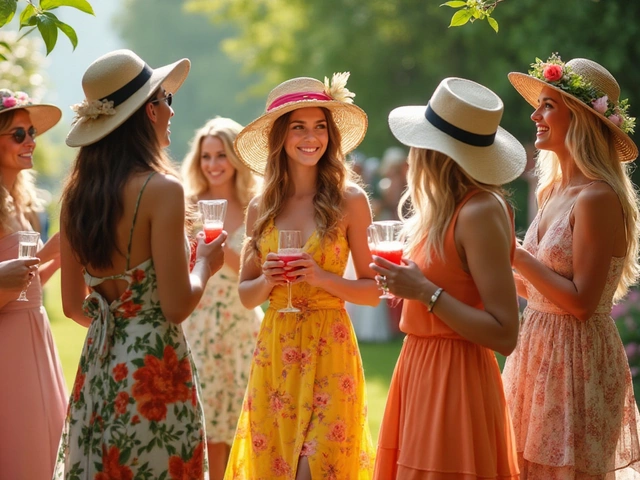
Dress Code for Evening Events: What to Wear and Why It Matters
When we talk about dress code for evening events, the unwritten rules that guide what to wear to formal occasions after sunset. Also known as evening attire, it’s not about looking fancy—it’s about matching the energy of the event. This isn’t just about gowns and tuxedos. It’s about knowing when to wear silk versus satin, when a knee-length dress is okay, and why a blazer might be the secret weapon you didn’t know you needed.
Evening dress, a formal garment worn after 6 p.m. to events like galas, weddings, or fine dining nights. Also known as evening gown, it typically means floor-length for women and a tuxedo or dark suit for men. But not all evening events are black tie. Some are black tie optional, others are cocktail—each has its own rhythm. A cocktail dress, a shorter, elegant outfit for semi-formal evening gatherings. Often worn to receptions, art openings, or dinner parties doesn’t need to drag the floor. It just needs to feel intentional. Think structured silhouettes, rich fabrics, and shoes that don’t scream "I just ran to the car."
The difference between an evening dress and a cocktail dress isn’t just length—it’s context. A wedding at 8 p.m. in a hotel ballroom? Go for the gown. A rooftop bar with friends at 7 p.m.? A tailored jumpsuit or silk dress with heels hits the mark. And men? A dark suit with a tie is safe, but swapping the tie for a pocket square or skipping the vest can modernize the look without breaking the rules. What matters isn’t the price tag—it’s whether your outfit says, "I get this moment."
And yes, fabric matters. Silk, velvet, and lace behave differently than polyester or rayon under low light. A dress that looks great in daylight can look cheap under chandeliers. That’s why so many people who shop locally—like those at Handmade Designs Elgin—choose artisan pieces. They know the difference between something mass-produced and something made with care, where stitching, drape, and fit aren’t afterthoughts.
There’s no single rulebook, but there are clear patterns. If the invite says "black tie," don’t show up in a little black dress with sneakers. If it says "elegant casual," skip the ballgown. The best evening looks don’t shout—they whisper confidence. And that confidence comes from knowing the unwritten rules, not just following them.
Below, you’ll find real advice from people who’ve been there—what to avoid, what to embrace, and how to wear a dress that feels like you, not like a costume. Whether you’re wondering if a pantsuit works for a formal dinner or whether 70 degrees means you can skip the shawl, these posts cut through the noise. No fluff. Just what fits.
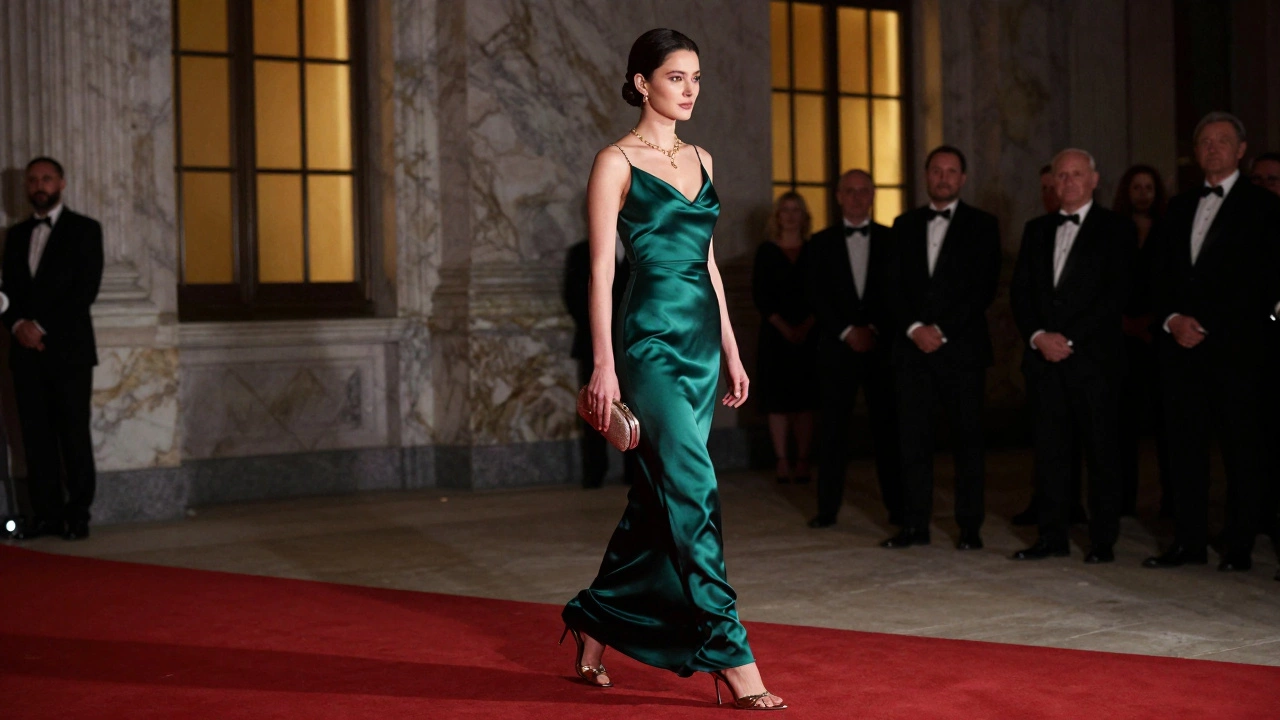
What Is the Evening Attire Dress Code? A Simple Guide to Dressing Right for Night Events
Learn what evening attire really means with clear, practical guidance for formal, semi-formal, and creative evening events. No guesswork - just what to wear and what to avoid.
Recent-posts
What Is the Evening Attire Dress Code? A Simple Guide to Dressing Right for Night Events
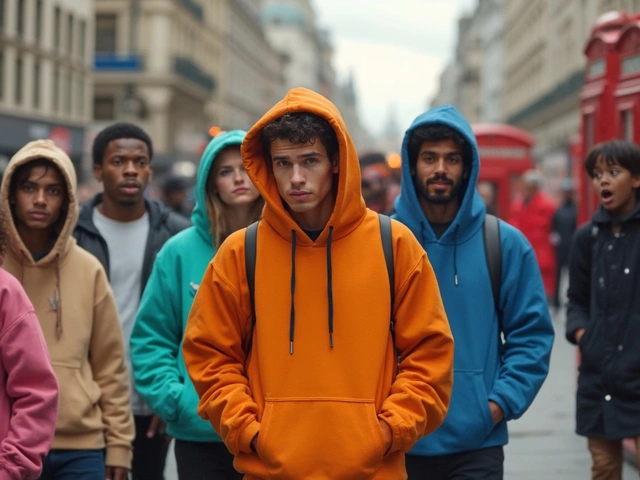
Baggy Hoodie: What's It Really Called?
What Does a Black Hoodie Really Mean?
Why Is Crocs Shutting Down? Everything You Need to Know About the Iconic Footwear Brand’s Fall