Best Fabric for Heat: What Actually Keeps You Cool
When it comes to staying cool in hot weather, not all fabrics are created equal. The best fabric for heat, a material that pulls moisture away from the skin and lets air flow freely. Also known as breathable fabric, it’s the difference between sweating through your shirt and feeling light, dry, and comfortable. It’s not about how thin the fabric is—it’s about how it behaves when the temperature rises.
Think about what happens when you wear synthetic materials like polyester or nylon in the sun. They don’t breathe. They trap heat and sweat against your skin, turning you into a steamy mess. Natural fibers like cotton, linen, and bamboo? They work differently. Cotton soaks up sweat and lets it evaporate. Linen has loose fibers that let air move through it like a breeze. Bamboo is naturally moisture-wicking and has antibacterial properties that help reduce odor. These aren’t just buzzwords—they’re real, measurable advantages backed by how these materials interact with your body and the environment.
And it’s not just about the fiber. How the fabric is woven matters too. A tightly packed cotton twill might feel sturdy, but it won’t cool you down like a loose-weave linen shirt. The same goes for weight—lightweight doesn’t always mean cool. Some lightweight synthetics are designed to mimic breathability but fail under real heat. You want something that lets your skin breathe, not just something that feels light in your hand.
People who live in hot climates have known this for centuries. In India, linen and cotton saris are standard. In North Africa, loose cotton robes are the norm. These aren’t fashion choices—they’re survival tools. Modern fashion often ignores this, pushing synthetic blends for their cheapness and wrinkle resistance. But if you’re trying to stay cool, those trade-offs don’t pay off. You’re paying for convenience, not comfort.
When you pick clothing for summer, look beyond the label. Check the fiber content. If it says 100% cotton or 100% linen, that’s a good start. Avoid anything with more than 20% synthetic blend if you’re heading into heat. And don’t assume dark colors are always hotter—some modern dark fabrics are treated to reflect heat. But generally, lighter shades like white, beige, and soft pastels help reflect sunlight and keep you cooler.
Footwear matters too. Leather sandals breathe better than synthetic sneakers. Even socks can make a difference—cotton or bamboo blends wick moisture, while synthetic ones turn your feet into saunas. It’s all connected. The best fabric for heat isn’t just about your shirt—it’s about your whole outfit working together.
You’ll find posts here that break down exactly which materials perform best in real heat, how to spot fake "breathable" claims, and what brands actually deliver on cooling performance. From summer dresses that don’t stick to your skin, to shoes that let your feet breathe, this collection gives you the facts—not the fluff. No marketing hype. Just what works when the temperature climbs.

What Is the Coolest Fabric for Summer Heat? Top Picks for Staying Comfortable
Discover the coolest fabrics for summer heat-linen, TENCEL™ rayon, and high-quality cotton-that keep you comfortable in hot, humid weather. Avoid synthetics and learn what to look for in a summer dress.
Recent-posts

The Benefits of School Uniforms: Enhancing Education and Equality

Who Is the Largest Sportswear Seller in 2025?
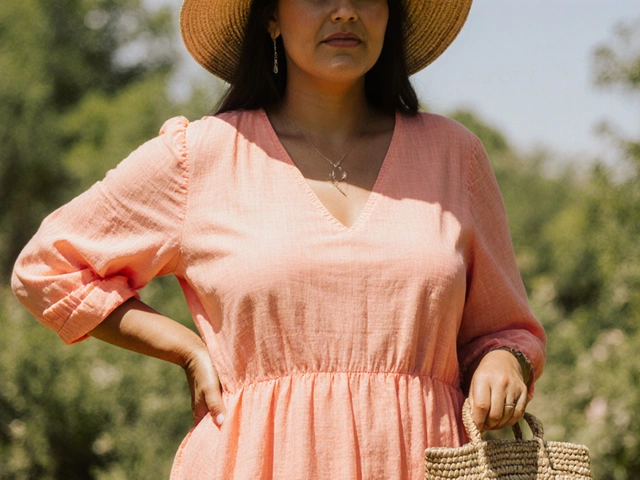
How to Look Prettier in Summer with the Right Dresses and Style Tips

Evening Dress Defined: Types, Materials, and Styling Tips