Summer Outfit Comfort Checker
Build your ideal summer look by selecting one option from each category. The tool calculates a "Coolness Score" based on fabric properties, fit, and color science.
Styling Recommendations
Walking through Toronto on a late July afternoon can feel like stepping into an oven. The air is thick, the sun beats down on the pavement, and your clothes either stick to you or trap heat against your skin. Most people reach for the same three items: a white T-shirt, denim shorts, and flip-flops. It’s comfortable, sure, but it rarely looks intentional. Summer dressing is the practice of selecting lightweight, breathable garments that balance thermal comfort with aesthetic appeal during high-temperature months. It isn’t just about wearing less; it’s about choosing the right materials, cuts, and colors so you stay cool without sacrificing style.
You don’t need a closet full of expensive linen suits to pull this off. You need to understand how fabric interacts with body heat and how silhouette affects airflow. Once you grasp those two principles, you can mix and match pieces you already own to create looks that work in 30°C weather. Here is how to build a wardrobe that keeps you fresh from morning coffee to evening dinner.
The Fabric Factor: Why Material Matters More Than Color
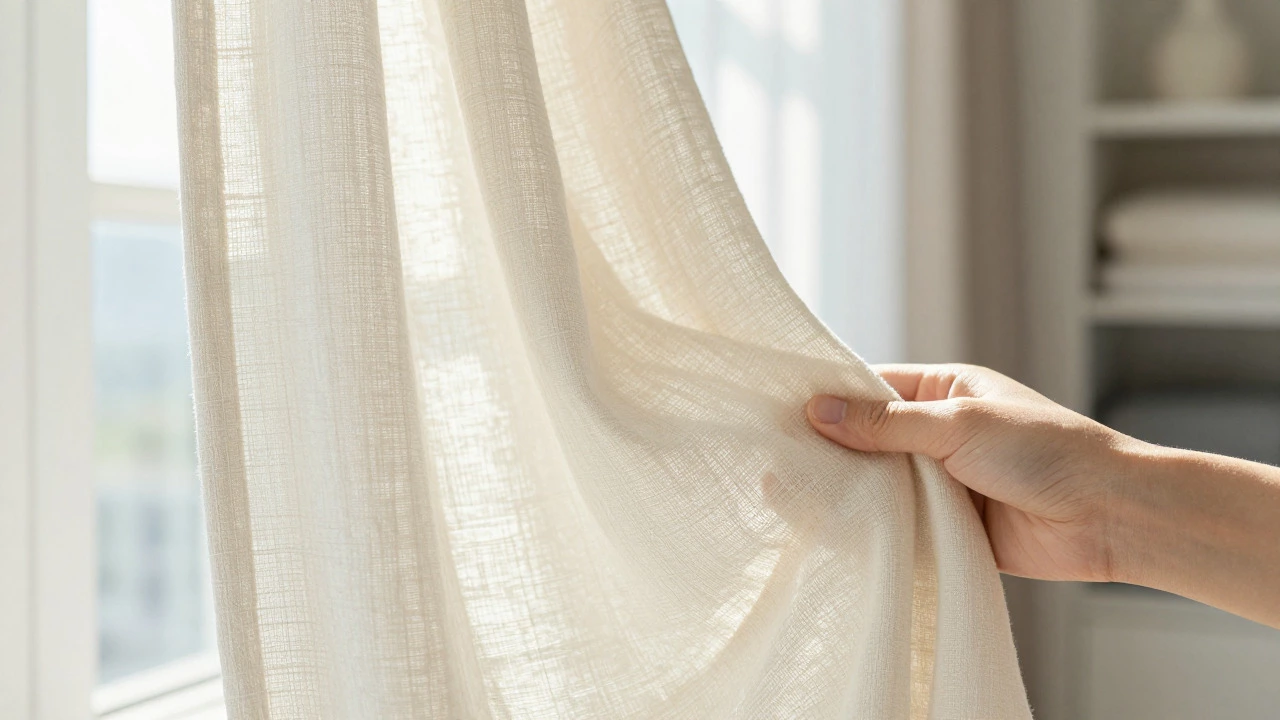
Before you worry about matching shoes to your bag, look at what your clothes are made of. This is the single biggest factor in how hot you will feel. Cotton is often recommended, but not all cotton is created equal. Heavyweight cotton tees absorb sweat and stay wet, which makes them feel heavy and clammy. Instead, look for lightweight, open-weave cotton or blends that allow air to pass through. Linen is the gold standard for summer because its loose weave traps almost no heat, but it wrinkles easily. If you want a polished look without ironing, consider linen-cotton blends or lyocell (Tencel), which drapes well and resists wrinkles better than pure linen.
Synthetic fabrics like polyester are usually the enemy here. They were designed for performance sports where moisture-wicking is key, but for daily wear, they tend to hold onto heat and smell after a day of sweating. Stick to natural fibers whenever possible. Silk is another excellent option for blouses and dresses; it is smooth, cool to the touch, and elegant. However, silk requires careful washing, so reserve it for special occasions or when you have time to hand-wash.
| Fabric Type | Breathability | Wrinkle Resistance | Best For |
|---|---|---|---|
| Linen | Excellent | Poor | Shirts, trousers, casual dresses |
| Cotton (Lightweight) | Good | Moderate | T-shirts, shorts, everyday wear |
| Lycra/Elastane Blends | Moderate | Good | Active wear, fitted tops |
| Silk | Very Good | Poor | Blouses, evening dresses |
| Polyester | Poor | Excellent | Avoid for daily heat; use only for technical gear |
Silhouette and Fit: Letting Air Flow
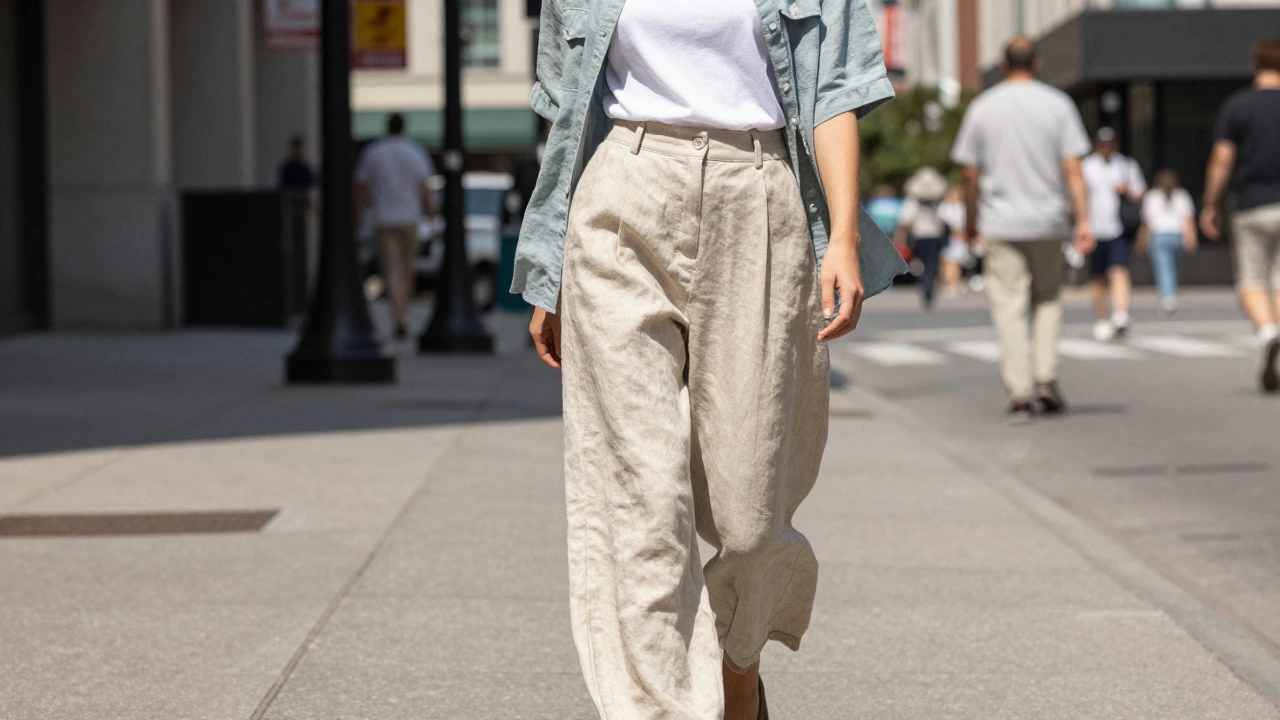
Even the best fabric won’t keep you cool if your clothes fit too tightly. Tight clothing restricts airflow and presses fabric directly against your skin, trapping heat. Aim for relaxed fits that skim the body rather than hug it. For men, chinos or linen trousers with a straight or slightly tapered leg work well. Avoid skinny jeans entirely; denim is heavy and non-breathable, making it a poor choice for sustained heat. Shorts should end above the knee to maximize airflow around the legs. For women, flowy skirts and wide-leg pants are ideal. A midi skirt in a light color allows air to circulate under the hem while covering the knees if you prefer modesty. Tops should have some room in the torso. Boxy crop tops or loose button-downs prevent the shirt from sticking to your back as you move. Layering can be tricky in summer, but a thin, unlined overshirt can provide protection from direct sun without adding bulk. Just make sure it’s made of a breathable material like chambray or light cotton poplin.
Color Psychology and Heat Reflection
There is a common myth that you must wear white to stay cool. While white reflects sunlight, dark colors can actually help in certain contexts by radiating heat away from the body once you are out of direct sun. However, for most urban environments where you are exposed to both sun and ambient heat, lighter colors are generally safer bets. Pastels, creams, and light blues reflect more solar radiation than black or navy. That said, don’t limit yourself to neutrals. Bright colors like coral, turquoise, or yellow can add personality to your outfit and still perform well in heat, provided the fabric is lightweight. The key is contrast: pairing a bright top with neutral bottoms creates visual interest without overwhelming the eye. Monochromatic outfits in light shades can also look sleek and modern, elongating your frame while keeping things simple.
Footwear: Comfort Meets Style
Your feet get hotter than any other part of your body in summer, so footwear selection is critical. Closed-toe shoes can become suffocating quickly. Opt for breathable materials like canvas, mesh, or leather with perforations. Loafers are a versatile option that works with both smart-casual and formal attire. They offer support without the bulk of sneakers. Sandals are obvious choices, but avoid cheap foam ones that lack arch support; they can cause fatigue by the end of the day. Leather sandals with adjustable straps provide durability and style. If you prefer sneakers, choose minimalist designs with minimal padding and good ventilation holes. White or beige sneakers pair well with almost any summer outfit and maintain a clean, cohesive look.
Accessories That Do Double Duty
Accessories aren’t just for decoration; they can enhance your comfort and protect your skin. A wide-brimmed hat shields your face and neck from direct sun, reducing the need for constant reapplication of sunscreen on your head. Choose straw or woven materials that breathe. Sunglasses should have UV protection, but their style matters too. Oversized frames can frame your face nicely and reduce glare. Jewelry should be kept minimal. Heavy metal chains can conduct heat and feel uncomfortable against warm skin. Opt for delicate gold or silver pieces, or even wooden or ceramic beads that stay cooler. A lightweight scarf or bandana can serve multiple purposes: as a hair tie, a neckerchief, or a quick cover-up if you enter an air-conditioned building. These small touches elevate a basic outfit without adding weight or heat retention.
Building a Capsule Wardrobe for Heat
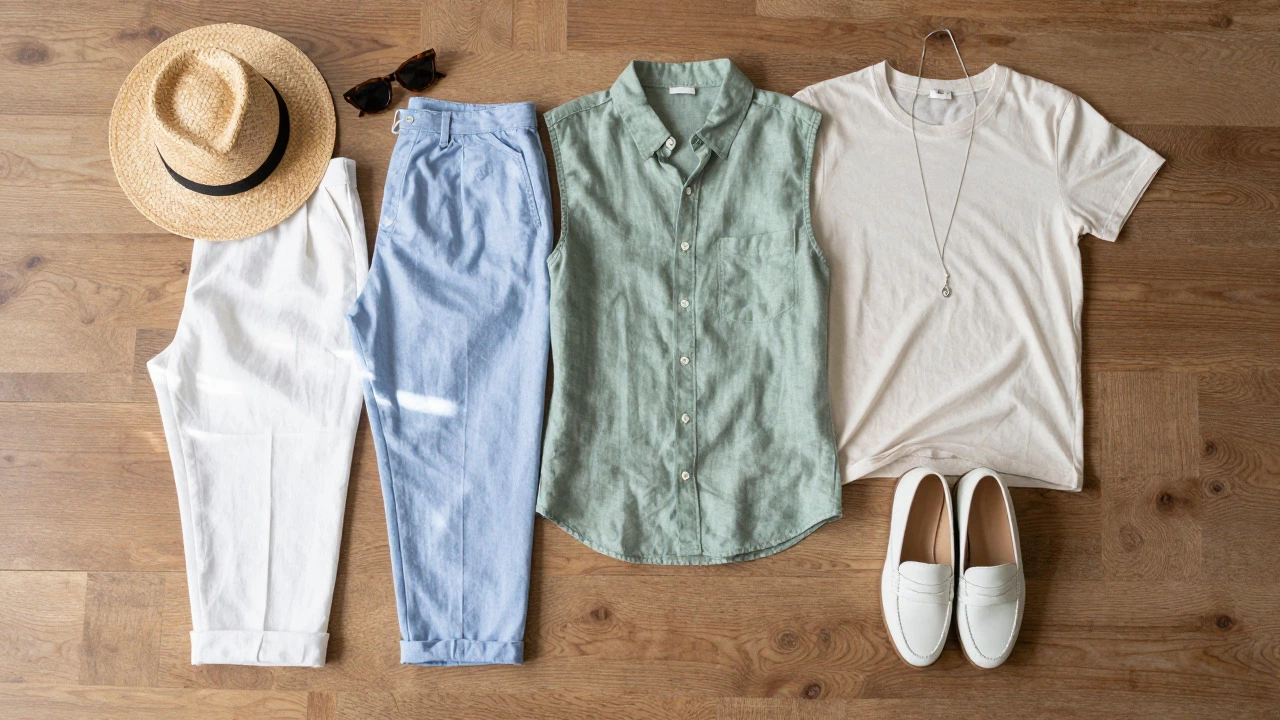
You don’t need twenty different summer outfits. A capsule approach ensures every piece mixes and matches with others, saving space and decision fatigue. Start with five core pieces: two pairs of trousers (one linen, one light cotton chino), two tops (one linen shirt, one lightweight tee), and one dress or jumpsuit. Add three accessories: a hat, sunglasses, and a pair of loafers. With these ten items, you can create over twenty distinct combinations. For example, pair the linen shirt with the chinos for a smart look, or throw it over the tee and shorts for a casual vibe. The jumpsuit can stand alone or be layered with a jacket in cooler evenings. This strategy ensures you always have something appropriate to wear without digging through a crowded closet.
Common Mistakes to Avoid
Many people fall into the trap of wearing synthetic activewear as everyday clothes. While it wicks sweat, it doesn’t dry fast enough for prolonged exposure, leading to dampness and odor. Another mistake is ignoring the importance of seams. Flatlock stitching is smoother and less irritating than raised seams, which can rub against sweaty skin. Also, avoid overly complex patterns. Large, bold prints can look chaotic in bright sunlight and may distract from the simplicity of the outfit. Stick to subtle textures or small-scale patterns for a cleaner look. Finally, don’t forget laundry care. Delicate summer fabrics require gentle washing to maintain their shape and breathability. Using harsh detergents or high heat can stiffen fibers, reducing their ability to wick moisture.
FAQ
Is linen really worth the price compared to cotton?
Yes, if you prioritize comfort in extreme heat. Linen is significantly more breathable and durable than cotton. While it costs more upfront, its longevity and superior cooling properties make it a worthwhile investment for frequent summer wear. Cotton is a budget-friendly alternative, but look for lightweight weaves to maximize airflow.
Can I wear denim in summer if I pick the right wash?
It’s possible but not ideal. Light-wash denim is less insulating than dark indigo, but it still lacks breathability. If you love the look, try denim shorts or jackets made with elastane blends for flexibility. Pair them with very light tops to balance the heaviness. For all-day comfort, stick to linen or cotton alternatives.
What is the best way to store summer clothes to prevent damage?
Store linens and silks folded in a cool, dry place away from direct sunlight. Use cedar blocks or lavender sachets to deter moths without using harsh chemicals. Ensure clothes are completely dry before storing to prevent mildew. Rotating your seasonal wardrobe helps maintain freshness and prevents fabric fatigue from long-term compression.
Do light-colored clothes really keep you cooler than dark ones?
In direct sunlight, yes. Light colors reflect more solar radiation, keeping your skin temperature lower. In shade or indoor settings, the difference is negligible. For outdoor activities, prioritize light tones. For evening events, darker colors are acceptable since you’re not exposed to direct heat sources.
How do I handle wrinkles in linen without ironing?
Embrace the texture. Linen wrinkles naturally, and many consider it part of the charm. To minimize creases, hang clothes immediately after wearing and mist them lightly with water before hanging. Steaming is a faster alternative to ironing and preserves the fabric’s softness. Avoid folding linen while damp, as this sets deep creases.