
Suit Care & Cleaning Cost Estimator
Select your usage profile to see recommended cleaning intervals and potential cost savings.
Recommended Schedule
Method:
Frequency:
$0
$0
$0
Over 5 years:Pro Tip:
You just bought a sharp new suit. It fits perfectly, the fabric feels luxurious, and you look like a million bucks. Now comes the scary part: putting it in the washing machine or taking it to the cleaner. If you wash it too often, you’ll ruin the shape and fade the color. If you never wash it, it starts to smell and looks tired. So, how do you find the sweet spot?
The short answer? You probably don’t need to wash your suit as often as you think. In fact, most suits only need professional dry cleaning two to four times a year, depending on how much you wear them. The rest of the time, simple airing out and spot cleaning will keep them looking fresh. Let’s break down exactly when to clean, why over-cleaning hurts, and how to make your favorite blazer last for years.
Why Washing Suits Is Different From T-Shirts
Think about your cotton t-shirt. It absorbs sweat directly into the fibers. Every time you wear it, it gets dirty. Now think about a wool suit. Wool is naturally resistant to odor and moisture absorption compared to synthetics or cotton. The structure of the fabric also matters. A suit jacket has layers-canvas, lining, and outer fabric-that hold their shape through tailoring, not just stitching. Aggressive washing breaks down these internal structures.
This is where the concept of garment rotation becomes critical. If you wear the same suit five days in a row, it accumulates body oils and environmental dust. But if you let it rest for 48 hours between wears, the fibers relax, wrinkles fall out, and odors dissipate. This resting period is more effective at maintaining appearance than a quick spin cycle ever could be.
The Golden Rule: Spot Clean First, Dry Clean Last
Most people panic when they see a stain. They rush to the dry cleaner. Stop. Before you spend $15-$25 on a cleaning ticket, try spot cleaning. For water-based stains like coffee or wine, blot (don’t rub) with a damp white cloth. For oil-based stains like grease, use a tiny amount of mild dish soap diluted in water. Test it on an inside seam first to ensure no color bleeds.
If the stain persists, that’s when you call in the pros. But remember, dry cleaning isn’t really "cleaning" with water. It uses chemical solvents, usually perchloroethylene (perc), to dissolve oils. While effective, these chemicals can stiffen wool fibers over time. Frequent exposure makes the fabric brittle. So, treat dry cleaning as a deep reset, not routine maintenance.
Frequency Guide by Wear Type
How often you clean depends entirely on how you use the suit. Here’s a realistic breakdown based on typical usage patterns:
| Usage Scenario | Wear Frequency | Cleaning Method | Frequency |
|---|---|---|---|
| Office Daily Wear | 3-4 times per week | Airing out + Brushing | Dry clean every 4-6 months |
| Special Occasions | Once a month | Spot clean only | Dry clean once a year |
| Heavy Sweating/Summer | High humidity zones | Deodorizing spray + Air | Dry clean every 3 months |
| Travel/Business Trips | Multiple events | Steamer + Spot clean | Dry clean after trip |
Notice that daily wear doesn’t mean daily cleaning. If you rotate three suits, each one rests for two days between wears. That’s enough time for the natural resilience of wool to handle minor odors. Only when you notice visible grime, persistent smells, or shiny elbows should you consider a full clean.
Tools That Extend Time Between Washes
You don’t need expensive gadgets to maintain a suit. Three simple tools can double the time between professional cleanings:
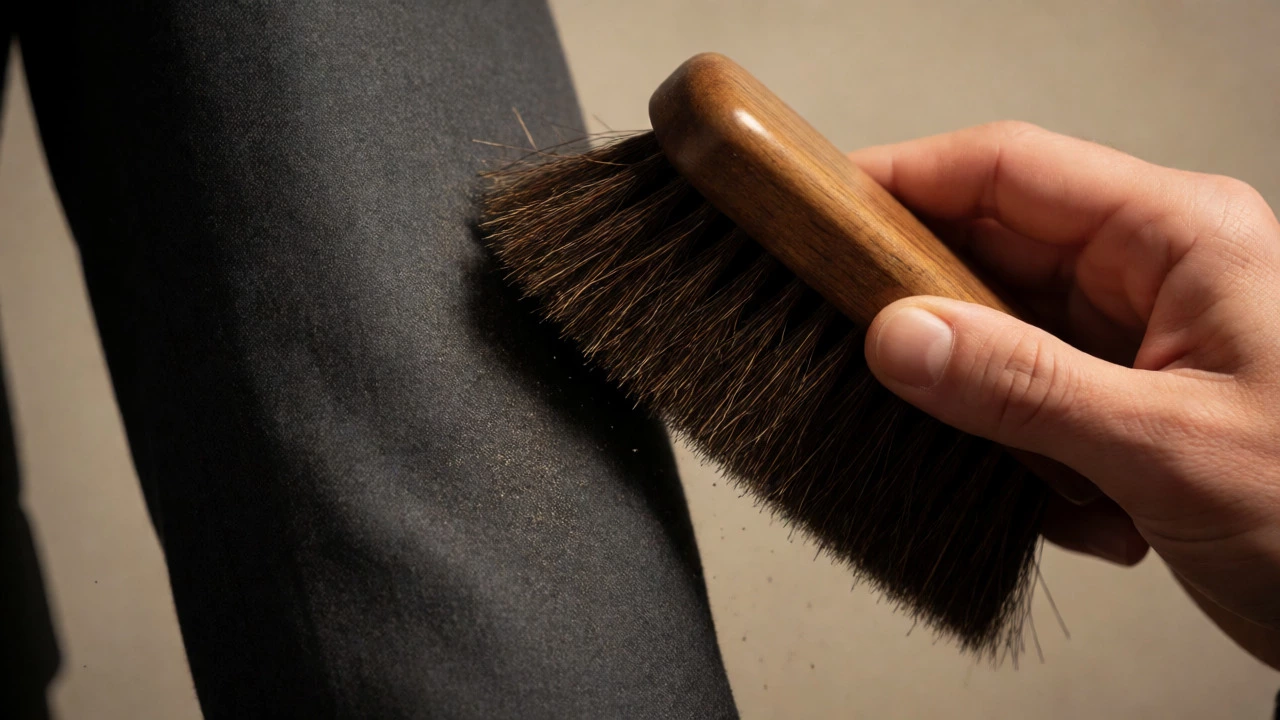
- A Garment Brush: Use a horsehair brush after every wear. Brush downward from shoulders to hem. This removes dust, lint, and skin cells before they settle into the weave. Think of it as brushing your teeth for your suit-it prevents buildup.
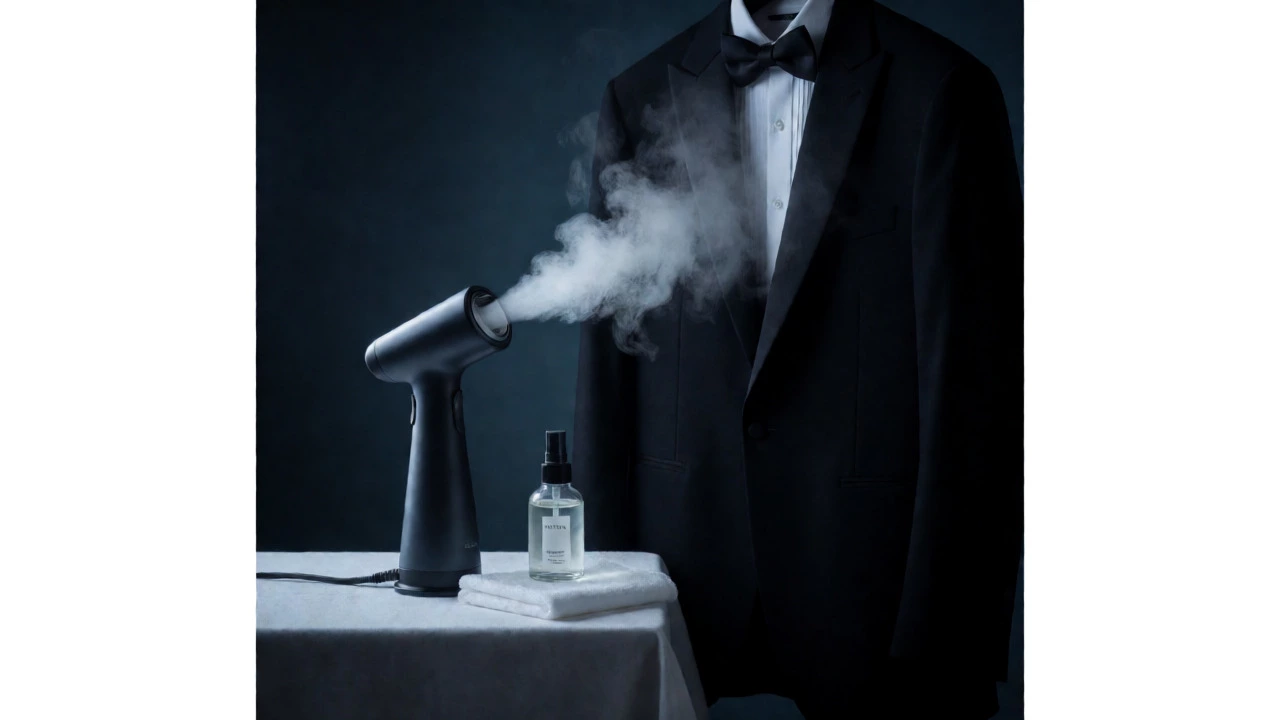
- A Steamer: Steam relaxes wrinkles without touching the fabric. Unlike ironing, which presses heat directly onto fibers, steam penetrates gently. Hang your suit in the bathroom while you shower; the ambient steam works wonders for light creases.
- Fabric Freshener Spray: Skip cheap aerosols with heavy perfumes. Look for sprays containing enzymes or silver ions that neutralize bacteria causing odors. Light misting keeps the suit smelling fresh without masking scents.
I keep a small wooden hanger with wide shoulders in my closet. Wire hangers distort the shoulder pads, creating bumps that no amount of steaming can fix. Proper storage is half the battle in keeping a suit looking crisp.
When to Ignore the Calendar and Clean Immediately
There are exceptions to the "wait and see" rule. If you spill something acidic like tomato sauce or red wine, act fast. Acids can set permanently within minutes. Blot immediately, rinse with cold water if possible, and take it to a cleaner who specializes in delicate fabrics within 24 hours.
Also, consider the season. After wearing a heavy wool coat or tweed suit all winter, give it a thorough clean before storing it for summer. Body oils left in fabric attract moths and cause yellowing over time. Never store a dirty suit in a plastic bag; use breathable canvas garment bags instead. Plastic traps moisture and promotes mildew, which smells worse than any armpit odor.
The Cost-Benefit Analysis of Professional Care
Let’s talk money. A decent quality suit costs $300-$800. Dry cleaning costs $15-$25 per visit. If you clean monthly, that’s $180-$300 a year. Over five years, you’ve spent nearly the cost of the suit on cleaning alone. By extending intervals to twice a year, you save hundreds while preserving fabric integrity.
But here’s the catch: not all cleaners are equal. Ask your local cleaner if they use hand-finishing techniques. Machine pressing can crush the lapels and flatten the chest canvas. Hand-steamed finishes preserve the roll and shape of the jacket. It’s worth paying $5 extra for better handling.
Can I wash a suit in a regular washing machine?
Generally, no. Standard wool suits shrink, lose shape, and felt when exposed to agitation and heat. Some modern 'washable' suits made with synthetic blends or treated wool may allow gentle cycles, but always check the care label first. For traditional tailored suits, stick to dry cleaning or hand-washing specific components like linings.
Does dry cleaning kill moths?
Yes, the solvents used in dry cleaning kill moth larvae and eggs. However, it doesn't provide long-term protection. Moths are attracted to soiled fabric, especially spots with food or sweat residues. Cleaning removes these attractants, making the suit less appealing to pests during storage.
How do I remove shine from my suit elbows?
Shine occurs when friction flattens the wool fibers. You can reduce it by brushing vigorously against the grain with a horsehair brush. For stubborn shine, a specialist might use a vinegar-water solution or re-fluff the fibers with steam, though complete removal isn't always possible. Prevention via elbow patches is easier than cure.
Is steaming enough to clean a suit?
Steaming refreshes the fabric and removes wrinkles and light odors, but it does not remove dirt, oils, or stains. It is a maintenance tool, not a cleaning method. Use it between dry cleanings to keep the suit looking sharp, but don't rely on it for hygiene.
What happens if I never dry clean my suit?
Over time, accumulated oils and dirt degrade the wool fibers, leading to discoloration and weakening. The fabric may develop a permanent musty smell. Additionally, grime attracts insects like clothes moths, which can eat holes in the material. Regular, albeit infrequent, cleaning preserves longevity.